11/15/2010

North America Saijiki LIST

[ . BACK to Worldkigo TOP . ]
:::::::::::::::::::::::::::::::::::::::::::::::::::::::::::::::::::::::::::::::::::::::::::::::::::::

The North American Saijiki Project

Maybe in 100 years time, we might celebrate the

Great American Haiku Heritage Saijiki!

(I invented this word in September 2007.)


North America is a large continent, comprising
Canada, the United States and Mexico, politically.

The World Kigo Database is trying to establish saijiki for different regions of it.
Rather then struggeling with unfamiliar Japanese kigo,
go ahead and pick up your local regional items !


If you want to introduce your own region in greater detail, please feel free to contact me to establish your own area saijiki. It takes time and effort and then more time, but maybe, you are onto something.... The Japanese Saijiki was not written in one week either ... smile ..

Gabi Greve


:::::::::::::::::::::::::::::::::::::::::::::::::::::::::::::::::::::::::::::::::::::::::::::::::::::

The most general collection of kigo for North American here:

World Kigo Database : Kiyose for Northern America


Regional Saijiki:

World Kigo Database : Alaska Saijiki

World Kigo Database : Canada Saijiki .. SAIJIKI Canadiens

World Kigo Database : Chesapeake Bay Saijiki

World Kigo Database : Florida Saijiki

World Kigo Database : New England Saijiki
With many Memorial Days, Holidays and other Observances

World Kigo Database : Oklahoma Saijiki
The Southwest of North America

Prairie : North American Prairie Saijiki

World Kigo Database : Sierra Nevada

World Kigo Database : Sonoran Saijiki


:::::::::::::::::::::::::::::::::::::::::::::::::::::::::::::::::::::::::::::::::::::::::::::::::::::


External LINKs
(let me know yours for registration !)

Boston Haiku Society
http://www.bostonhaikusociety.org/


Haiku Society of America (est. 1968)
http://www.hsa-haiku.org/

Haiku Northwest
http://hometown.aol.com/WelchM/Haiku-Northwest.html

New Orleans Haiku Society (NOHS)
http://www.geocities.com/neworleanshaiku/nochsa.html


Haiku Poets of Northern California
http://members.aol.com/_ht_a/welchm/hpnc.html


North Carolina Haiku Society Blog
http://nc-haiku.blogspot.com/

Haiku Poets of Northern California
President: Garry Gay
http://haiku-poets-northern-california.com/

Haiku San Diego Blog
steering committee: Billie Dee,,Seretta Martin,,Naia,,Megan Webster
http://haikusandiego.blogspot.com/
2010 Southern California Haiku Study Group Anthology
Billie Dee, editor


Central Valley Haiku Club, California
w. f. owen, President
http://hometown.aol.com/lstparker/CVHC.html


Southern California Haiku Study Group Blog
With many kigo for the monthly haiku meetings.
http://socalhaiku.blogspot.com/

Kigo Lists for Southern California Billie Dee

Spring.....Summer.....Autumn.....Winter
BACKKUP ... Kigo Lists for Southern California


Yuki Teikei Haiku Society
http://www.youngleaves.org/


San Francisco Bay Area Nature Guide and Saijiki
Patrick Gallagher , Anne M. Homan, Patricia J. Machmiller
A combination of field guide and haiku; beautiful photographs and art accompany descriptions of seasonal occurances of natural phenomena and human activities in the San Francisco Bay Area. Each element is accompanied by haiku that evoke an emotional or spiritual aspect of the human interaction with the natural world.
September 2010
. . . . . Test Reading at LULU publications


Red Moon Press was founded in 1993. Our goal is to continue to publish the best in English-language haiku from around the world.
Red Moon Press / Jim Kacian


The Haiku Foundation (THF)
Jim Kacian
. The Haiku Foundation, troutswirl BLOG  
July 2010


:::::::::::::::::::::::::::::::::::::::::::::::::::::::::::::::::::::::::::::::::::::::::::::::::::


heat lightning --
all the way into Mexico
the mountains rise


Michael McClintock
The Heron's Nest, II:5


:::::::::::::::::::::::::::::::::::::::::::::::::::::::::::::::::::::::::::::::::::::::::::::::::::


Some kigo and topics
of the World Kigo Database


Breast Cancer Awareness Month (BCAM)

Cape Fear, North Carolina

Corn shucking, corn husking

Cowboys Blanket Dallas, Texas

Folsom Street Fair and Festival San Francisco

Fourth of July, Independence Day

Haboob, sandstorm Arizona

Indian paintbrush (Castilleja)

Jazz Music

Martin Luther King, Jr. Day

Robin, American Robin (Turdus migratorius)

Rhode Island : WaterFire

Texas Bluebonnet (Lupinus texensis)

.................................................................................

Some kigo and topics

of the Southern California Season Word List

Chinese lantern festival
Cinco de Mayo
El Dia de los Muertos
Election Day (Nov)
Festival of Books
French Open
Kwanzaa
National Poetry Month
Oscar awards
Summer Shakespeare
Tamales


:::::::::::::::::::::::::::::::::::::::::::::::::::::::::::::::::::::::::::::::::::::::::::::::::::

Back to the Worldkigo Index
http://worldkigodatabase.blogspot.com/

11/08/2010

. PHILIPPINES SAIJIKI

[ . BACK to TOP . ]

:::::::::::::::::::::::::::::::::::::::::::::::::::::::::::::::::::::::::::::::::::::::::::::::::::::


PHILIPPINES SAIJIKI


:::::::::::::::::::::::::::::::::::::::::::::::::::::::::::::::::::::::::::::::::::::::::::::::::::::

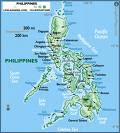
The local climate is hot, humid, and tropical. The average yearly temperature is around 26.5°C. There are three recognized seasons:

Tag-init or Tag-araw (the hot season or summer from March to May),
Tag-ulan (the rainy season from June to November), and
Taglamig (the cold season from December to February).

The southwest monsoon (May-October) is known as the "Habagat" and the dry winds of the northeast monsoon (November-April) as the "Amihan".
© www.canadiancontent.net

CLICK for more photos

:::::::::::::::::::::::::::::::::::::::::::::::::::::::::::::::::::::::::::::::::::::::::::::::::::::


. . . . . KIGO


Amihan and Habagat monsoon

Ati-Atihan Festival , Kalibo, Aklan


Barangay Fiesta

Bataan Day (Araw ng Kagitingan) Bataan Beach

Bonifacio Day


December

Independence Day, June 12, 1898

Laundry day


Mango

Mother's Day (second sunday in May)


Narra blossoms, Golden Shower

New Year, First Haiku

New Year 2009 in the Philippines

Pounding Rice

School opening, starting school

Three Kings Day , Epiphany


:::::::::::::::::::::::::::::::::::::::::::::::::::::::::::::::::::::::::::::::::::::::::::::::::::::


. . . . . HAIKU TOPICS

Bagoong anchovy paste
Banca, bancas, outrigger canoes
Birds

Euphorbia blossoms


Cockatiel (Nymphicus hollandicus), also called Quarrion or Weero
Coconuts and Coconut palm trees
Cricket frog (genus Acris)


Donsol Beach
Dynamite fishing, blast fishing


Euphorbia cactus


FISH from the Philippines
..... Fish Market
Food, generally
Food, vegetables


Jeepney

Kanduli, Salmon catfish

Llocos region


Manila
Manta Ray (Manta birostris)
Milkfish (Chanos chanos) also called Bangus. Boneless Bangus.
Mount Makiling, Anna Makeling
Mud fish
Munia bird, Chestnut Munia, maya pula Lonchura atricapilla jagori


Rabbit fish
Rice in the Philippines


Sailfish
Sampaguita, a kind of Jasmine
San Miguel Beer
Sugarcane
Surgeon fish


Taal Lake
Taro (gabi) taro root
Tarsier, Philippine Tarsier (Tarsius syrichta)
the world's smallest monkey
Tawilis (Sardinella tawilis)
Tilapia Fish, Nile Perch
species of cichlid fishes from the tilapiine cichlid tribe.
Trevally
Typhoon Ketsana, September 2009


Vanda orchids


Wahoo fish (Acanthocybium solandri)


:::::::::::::::::::::::::::::::::::::::::::::::::::::::::::::::::::::::::::::::::::::::::::::::::::::


.................................. Haiku Poets


Angelo B. Ancheta

lumipad ang maya
galing sa balikat ng nagjojogging
patalikod sa araw

a maya rises
from a jogger's back
on the sun


MORE
source : Simply Haiku

. Angleo on facebook .


:::::::::::::::::::::::::::::::::::::::::::::::::::::::::::::::::::::::::::::::::::::::::::::::::::::


Wilfredo R. Bongcaron

1.) Awake

Listen! the humming,
the buzzing and the chirping,
nature is awake.

2.) Pond

Raw flakes swiftly tossed,
Slow in the pond they wiggle,
the goldfish I feed.


© www.emanilapoetry.com February 2008


Daily Life in the Philippines
A Haiku Collection

:::::::::::::::::::::::::::::::::::::::::::::::::::::::::::::::::::::::::::::::::::::::::::::::::::::


Melchor Cichon

Boracay Beach--
the setting sun
waves in the sea


Read more of his poems and haiku here:

© Haiku by Melchor Cichon
Iloilo, Philippines

...

after Typhoon Undang--
roosters
begin to sing again

after harvest--
Fundidor instead of Tanduay
on the table

after the riot--
a couple of activists
share the rising full moon

Aklan River bank
after the flood
the river smiles


Read more here:

© Haiku by Melchor Cichon : Aklanon Literature

:::::::::::::::::::::::::::::::::::::::::::::::::::::::::::::::::::::::::::::::::::::::::::::::::::::


Roh Mih


The Walk of Ten Thousand Steps

lotuses
before the buddha
yet to bloom

kind enough
to pick up a fallen leaf
the elephant

... ... ...

Ramadan--
a glass of water
untouched


Ramadan October 2005

... ... ... ... ...

All Saints Day--
candles melting
in every gate


NOTE:
On the night of All Saints Day, the typical Filipino household traditionally lights a candle (or candles) and places it by the door or by the gate. The candle is supposed to scare ghosts or spirits away. But the tradition also reminds us of our mortality, and how short our life is on earth.
Here's a text message I received today from an elderly woman among the indigenous people in the northern part of the Philippines:

Remembering those gone first is recognizing our mortaility and honoring our short passage with faith and fidelity.
http://worldkigodatabase.blogspot.com/2005/01/all-saints-day_12.html

... ... ... ... ...

old tree--
into its stillness
a grass lizard

Angelus--
the silence of
cash registers


NOTE on the second haiku:
Most Filipinos are Catholics. Especially in the rural areas, the recitation of the Angelus is seriously being observed not only at homes but also in public places. In one supermarket I visited, everyone -- including, of course, the cashiers -- had to stop at the start of the Angelus. You don't hear any sound, especially the sound of cash registers. The Angelus moment therefore serves as a break from our daily struggle in the material world, and a reminder of the spirituality of our existence.
http://indiasaijikiworlkhaiku.blogspot.com/2006/07/silence-maun.html


roh mih, Manila, Philippines
Taoist. haijin


Read more in the BLOG of Roh Mih
http://tenthousandsteps.blogspot.com/

:::::::::::::::::::::::::::::::::::::::::::::::::::::::::::::::::::::::::::::::::::::::::::::::::::::

Victor P. Gendrano

In the Philippines, one of the rural customs for the new year is to fill the rice bin (or container) on or before new year to prevent hunger in the family throughout the year. It need not be really full, but never empty at all. Like in most Asian countries, Filipinos are rice eaters, their staple food.


new year
a full rice bin
to prevent hunger


Victor P. Gendrano, Philippines, 2007


When the first wave of Spanish colonizers arrived in the Philippines in 1521, they found a self-sufficient people with a primitive form of government who were highly literate and rich in oral tradition. The early Filipinos had a spoken as well as incipient written language of their own. They used an ancient Tagalog syllabary called baybayin, which they wrote on palm leaves, bamboo or hard surface with a knife or stylus.

Read more HERE
Tagalog and English Haiku
by Victor P. Gendrano

Simply Haiku, 2005


:::::::::::::::::::::::::::::::::::::::::::::::::::::::::::::::::::::::::::::::::::::::::::::::::::::


Lanie Shanzyra P. Rebancos

In ancient temple
a murmur of prayers
lingered.

A dash of rainbow-
wooden carts fiiled with
fruits.

http://www.szirine.com/countrytemplate.php?id=89

:::::::::::::::::::::::::::::::::::::::::::::::::::::::::::::::::::::::::::::::::::::::::::::::::::::


THE FIRST HAY(NA)KU ANTHOLOGY
Editors: Jean Vengua & Mark Young
ISBN: 951-9198-72-5

Poetry. Multicultural Studies. The "hay (na) ku" is a poetic form invented by Eileen Tabios, as inspired by Richard Brautigan, Jack Kerouac, and Tabios' meditations on the Filipino transcolonial and diasporic experience. The form is deceptively simple: a tercet comprised of one-, two- and three-word lines.

Inaugurated on June 12, 2003 (Philippine Independence Day), the form swiftly became popular and since has been used by poets all over the world.

http://www.meritagepress.com/haynaku.htm

:::::::::::::::::::::::::::::::::::::::::::::::::::::::::::::::::::::::::::::::::::::::::::::::::::::


Mga Haiku ni Basho sa Inakeanon
Basho's Haiku in Aklanon
Aklanon is the language of Aklanons in the province of Aklan, Philippines.

by Melchor F. Cichon

The following are my translations of Basho's haiku as published in On Love and Barley Haiku of Basho, translated by Lucien Stryk. Penguin Books, 1985.

1. Sa bag-o kong kapa
kainang agahon—
eain nga tawo.

2. Mga kaeanasan, mga kabukiran
it Hubaku, sa
siyam nga adlaw--tagtubo.

3. Kada dag-on,
ro maskara't amo
kapakita ro pagkaamo.

4. Bag-ong Dag-on--ro Basho-Tosei
nga gina-istaran
ginahagungan it haiku

5. Bag-ong Dag-on—
may kasubo
halin pa ku tigdaeagas


253. Gaoy sa pagwinayod
sa gagiltak nga kaeanasan
mga damgo nagapadayon.

Translated by Tata Goloy

Basho's Haiku in Aklanon.
Read the whole collection.


Safekeep Copy


:::::::::::::::::::::::::::::::::::::::::::::::::::::::::::::::::::::::::::::::::::::::::::::::::::::


All-Filipino Haiku Contest, August 2006

The contest was organized by the Japan Information and Cultural Center , Embassy of Japan and the University of Santo Tomas Graduate Studies in commemoration of the Philippines-Japan Friendship Year.


:::::::::::::::::::::::::::::::::::::::::::::::::::::::::::::::::::::::::::::::::::::::::::::::::::

an article below from ARAB NEWS
Imagine a world without Philippinos
June 2008

:::::::::::::::::::::::::::::::::::::::::::::::::::::::::::::::::::::::::::::::::::::::::::::::::::

CLICK for more Information !


Back to the Worldkigo Index
http://worldkigodatabase.blogspot.com/

:::::::::::::::::::::::::::::::::::::::::::::::::::::::::::::::::::::::::::::::::::::::::::::::::::

. . . GERMAN SAIJIKI

[ . BACK to Worldkigo TOP . ]
:::::::::::::::::::::::::::::::::::::::::::::::::::::::::::::::::::::::::::::::::::::::::::::::::::::

............. German Saijiki

Liste Deutscher Jahreszeitenwörter


Ein Deutsches Saijiki / German Saijiki

:::::::::::::::::::::::::::::::::::::::::::::::::::::::::::::::::::::::::::::::::::::::::::::::::::::


Frühling Spring


Blumen und Pflanzen: Anemone . Baumblüten (auch in Deutschland besonders die Kirschblüte Cherry Blossoms (sakura, Japan) ), Knospen, Flieder (lilac, Syringa)
Zwiebel- und Knollengewächse (Tulpen Tulip , Narzissen), Maiglöckchen, Waldmeister, Weide, Weidenblüten, Weidenkätzchen

Tiere: Vogellied, Nachtigall, Nestbau (... Spring at the Zoo , also Bird's Nest), Vogelbrut, Frösche (Frog (kawazu, kaeru) , Quaken, Lamm, Kitz, Kalb, Küken, Maikäfer

Natur: Vorfrühling > Altschnee Snow (yuki) , Firnschnee, Schneematsch, Schneeschmelze > Sturzbäche, brüchiges Eis, Wind .. .. .. .. .. WIND in various kigo , hoher Wellengang (im Herbst wie im Frühjahr), Mooreinsamkeit (Frühling und Winter), Föhn (in bergnahen Gebieten) , Gentle breeze, soft breeze, Linde Lüfte

Feste, Feiertage und traditionelle Bräuche: Karfreitag, Ostern Easter , Pfingsten, Walpurgis Night (walpurgisnight) (25.02. oder/und 01.05), Bittgang, Prozession (Fronleichnam Corpus Christi Procession ), Almauftrieb ( Cowbells (Kuhglocken, Germany), Muttertag (2. Sonntag im Mai Mother's Day )

Beispielhaiku:

Drüben noch Firnschnee
hier öffnet sich weit dem Blau
die Wolkendecke
(Erica Lauer-Below)


Ein Kirschblütenzweig
aus meines Freundes Garten schmückt
jetzt mein Zimmer

(Rolf Boehm)

Links
http://www.das-freizeitportal.de/news/walpurgisnacht.shtml
http://www.karo.b-hoffmann.de/Dat/Fruehjahr.html

:::::::::::::::::::::::::::::::::::::::::::::::::::::::::::::::::::::::::::::::::::::::::::::::::::::

Sommer Summer


Blumen und Pflanzen: wogendes Getreidefeld, Beerenernte, Rosen, blühende Bergwiesen, gemähte Wiesen, Bauerngarten, Feldrain, Kräuter, Fülle und Farbigkeit der Natur, Kamille, sattes Grün der Bäume, Baumschatten, rauschende Bäume,Schilf, Rebhänge

Tiere: Insekten > Fliegen, Schmetterling, Bienen Bee (mitsubachi) , Hummeln, Wespen, Grillen, Libellen, Heuschrecken, Leuchtkäfer Fireflies (hotaru) (05) (Japan) , Fische, Schnecken, Eidechsen, Salamander, Vipern.

Natur: Blendender Mond, roter Mond (see .. .. .. .. MOON and its LINKS..), Sonnenglast, flimmernde Hitze, lange Tage, Tautropfen, Gewitter, Regenbogen, Sommersonnenwende, schönste Wolken, Rinnsal
Trockenheit, sonnenverbranntes Feld
Schwüle

Feste, Feiertage und traditionelle Bräuche: Johannisfeuer (24.Juni), Michaelistag (29.September - Spätsommer), Feldbegehung (vor der Ernte), Siebenschläfer (27.Juni), Hundstage Dog Days (doyoo, Japan) (23.Juli - 23.August)
Fronleichnam, Fronleichnamszug
Mai, der Wonnemonat

Beispielhaiku:

Blendender Vollmond -
nur sein Licht auf den Wellen
schmerzt nicht das Auge.

(Imma von Bodmershof)


Michaelistag
es regnet heute füttert
der Penner Schwäne

(Mario Fitterer)


Regenbogenzeit -
ein Kind hüpft barfuss
durch Pfützen
(Andrea D´Alessandro)

Links:
http://www.klosterkirche.de/zeiten/trinitatis/johannis.php
http://www.rosen-romantik.de

Ein japanische Rosenseite:
http://www.sun-inet.or.jp/~setoh/

:::::::::::::::::::::::::::::::::::::::::::::::::::::::::::::::::::::::::::::::::::::::::::::::::::::

Herbst Autumn


Blumen und Pflanzen:
Obsternte (Äpfel, Birnen, Pflaumen), Buntlaub (see Leaf Watching ), Blätterfall (see Fallen leaves (ochiba) , Welklaub, Stoppelfeld, Getreidestoppeln, abgeerntete Felder, leere Felder, Astern, Chrysanthemen (see Chrysanthemum ), Pilze, Kastanien (see Horse Chestnut (Part 2) , Nüsse, Baumfrüchte, Samen von Gräsern und Stauden, Rebhänge
Hagebutte (rose hip)

Tiere: Spinnennetze Spiders , Eichhörnchen, Igel, Hase, Mäuse, Hamster, Heimtreiben der Schafherden, Vogelzug (vor allem in Verbindung mit großen Vögeln wie Gänsen (see Snow Geese ), Schwänen oder Störchen)

Natur: Kalter Wind WIND in various kigo , Sturm, klarer Sternenhimmel, klare Sternbilder, Sternschnuppen (Leoniden Leonid Meteor Shower .. .. Geminid Meteor Shower), schönste Sonnen, Bergzacken (klarste Sicht im Herbst), rötliches Sonnenlicht, hoher Wellengang (im Herbst wie im Frühjahr), Sturm Typhoon (Japan)

Feste und Feiertage und traditionelle Bräuche: Michaelistag (29.September), Winzerfest, Schäferlauf, Stoppelfeld(-lauf), Drachensteigenlassen, Oktoberfest (Germany) , Erntedank, Almabtrieb (see Cowbells (Kuhglocken, Germany) , Allerheiligen (1.November All Saints’ Day .. All Souls’ Day, Hallowe’en), Hubertusjagd (3. November), Mauerfall (9.November), St. Martin (11.November), Martinsgans (11.November)

Beispielhaiku:

Stoppelfeldlauf -
ein Schäferhund
geht in Führung

(Andrea D`Alessandro)


Leer sind die Stühle
rings um den Tisch im Garten.
Nur Blätter zu Gast.
(Friedrich Rohde)

Links:
http://www.sanktmichael.de/heilige/martin.htm
http://www.photogenic-art.com/herbst/herbstgarten.htm
http://www.markgroeningen.de/schaf.htm

:::::::::::::::::::::::::::::::::::::::::::::::::::::::::::::::::::::::::::::::::::::::::::::::::::::

Winter

germanwinter

Blumen und Pflanzen: Christrose, Weihnachtsstern, Zaubernuss, kahle Bäume, nackte Zweige, dunkle Nadelgehölze, blasses und verdorrtes Gras/Schilf, Misteln (see Mistletoe ), Schneeglöckchen, Krokusse > Winterende

Barbarazweige, Barbara twigs


Tiere: streitende Amseln, hungrige Tiere, Streit um Futter/Körner, Reh, Hasen, Kaninchen, Standvögel, Futterhaus, Futterraufe, Krähen (schwarzes Gefieder, Krächzen , see Crow, Raven karasu (Japan))

Natur: Schnee (see Snow (yuki) Japan) , kalter Mond, Eis, Rauhreif, kurze Tage, farblose Seen, Mooreinsamkeit (Winter und Frühling), Firnschnee Snow (yuki) (Winterende)

Feste und Bräuche: Barbarazweige (4.Dezember), Adventszeit (see Advent) > Kerzenlicht, Vorweihnachtsrummel, Weihnachten (see Christmas ), Silvester (see Last Day of the Year (oomisoka, Japan) > Karpfenessen, Neujahr (see New Year ), Valentinstag (14.Februar, see Valentine’s Day ), Karneval (see Carneval ), Fasching, Fastnacht, Aschermittwoch, Walpurgisnacht Walpurgis Night (walpurgisnight) (25.Februar und/oder in der Nacht zum 01.Mai)

Myrrhe, myrrh

Ankunft = Advent = Geburt Jesus

Ankunft -
Durch Omas Geschichten dringt
Myrrhe


Heike Gewi, December 2008, Yemen


Beispielhaiku:

die Halbmondsichel
wetzt ihre blanke Schneide
am vereisten Turm
(Richard W. Heinrich)


die weißen Reiher,
über den Altschnee segelnd,
warten aufs Mondlicht
(Carl Heinz Kurz)


unterm Apfelbaum
so viele Spuren im Schnee,
und schon die Knospen


(Horst Ludwig, 2001)


:::::::::::::::::::::::::::::::::::::::::::::::::::::::::::::::::::::::::::::::::::::::::::::::::::::


TOPICS and KEYWORDS


. Berlin Wall (Berliner Mauer)


. Dietrich Bonhoeffer  


. Günter Grass


. Martin Heidegger


. Franz Kafka


. Hans Küng, Theologe


. Chen-ou Liu, a Germanophile   


. Bernhard Schlink


. W. G. (Winfried Georg) Maximilian Sebald  


. Sophie Magdalena Scholl
Die Geschwister Scholl, Sophie und Hans 


. Christa Wolf .
(18 March 1929 - 1 December 2011)


:::::::::::::::::::::::::::::::::::::::::::::::::::::::::::::::::::::::::::::::::::::::::::::::::::::
:::::::::::::::::::::::::::::::::::::::::::::::::::::::::::::::::::::::::::::::::::::::::::::::::::::

Namen des Mondes, names of the moon

Januar: Hartmond, Eismond, Schneemond, Wolfsmond
Februar: Narrenmond, Schmelzmond, Taumond
März: Frühlingsmond
April: Ostermond
Mai: Weidemond, Wonnemond, Marienmond
Juni: Brachmond, Rosenmond
Juli: Heumond
August: Erntemond, Sichelmond
September: Herbstmond
Oktober: Weinmond, Dachsmond
November: Nebelmond, Wintermond, Windmond
Dezember: Julmond, Christmond, Heiligmond, Wolfsmond, Schlachtmond
www.wetter-mensch-natur.de

(see more about kigo and .. .. .. .. MOON and its LINKS..)

:::::::::::::::::::::::::::::::::::::::::::::::::::::::::::::::::::::::::::::::::::::::::::::::::::::

Links:
http://www.gartenspaziergang.de/pf_zaubern_1.html

Allgemeine Links zum Brauchtum:
http://www.brauchtum.de/
http://www.bauernregeln.net/
http://www.brauchtumsseiten.de/

Ein Spielfilm über den Wechsel der Jahreszeiten:
http://www.fruehling-sommer.de/

Ganz besonders zu empfehlen ist für alle Haiku-Autoren die Seite:
http://www.wetter-mensch-natur.de/
Dort ist wirklich alles zu finden, was man sich zu den deutschen Jahreszeitenwörtern nur wünschen kann.


Bauernweisheit
http://www.gartentraum-plan.de/html/bauernweisheit.html

Feste aller Monate
http://www.feste-der-religionen.de/


xxxxxxxxxxxxxxxxxxxxxxxxxxxxxxxxxxxxx

Copy from ... www.wetter-mensch-natur.de:

"Phänologie, oder einfacher der Naturkalender, ist eines der lohnendsten und interessantesten Kapitel für alle, die sich für und an der Natur begeistern können. Beobachtungen und resultierende Erfahrungen sind fast unerschöpflich.

Kein Jahr gleicht dem anderen, sagt man. Das hat seine Berechtigung. Trotzdem rennen wir bei den ersten warmen Sonnenstrahlen im Frühling hinaus in den Garten, um schon mal die Gartengeräte bereitzustellen. Am 21. März ist zwar Frühlingsanfang, es muss aber noch lange kein Frühling sein, denn 6 Wochen Differenz zwischen den Vegetationszuständen in verschiedenen Jahren sind keine Seltenheit. Es kann fatale Folgen haben, wenn man sich z. B. nur nach den Aussaatzeiten der Samenpackungen richtet, ohne dabei die Natur zu beobachten. Sehr viel verlässlicher als der altbekannte Kalender mit 4 Jahreszeiten in den 12 Monaten ist der »Naturkalender«, denn für Pflanzen ist die Tageslänge und die Temperatur entscheidend und nicht das Datum.

In vielen geographisch wärmeren Gegenden haben die verschiedenen Jahreszeiten ihren Rhythmus, von einem Tag zum anderen wird es dauerhaft warm, Frühjahrsstürme und Regenzeiten sind relativ pünktlich. Bei uns, in Mitteleuropa, ist das nicht so. Länger anhaltende Hochdruckgebiete sind in der Regel eine Ausnahme, und die zuverlässigste Wetterlage finden wir im Herbst, aber auch das nicht jedes , Jahr. Genauer sind hier die Naturbeobachtungen.

Das Jahreszeitempfinden die Schneeglöckchen und Weidenblüte, Löwenzahnblüte, erntende Maschinen, reife Früchte und fallendes Herbstlaub ausgelöst, und ist von Ort zu Ort und Jahr zu Jahr zeitlich völlig unterschiedlich. Jede Jahreszeit hat in der Natur ihren eigenen, unverwechselbaren Charakter und ihr eigenes Gesicht, die sich in den typischen »Kennpflanzen« widerspiegeln, die uns ihrerseits Rückschlüsse auf das Klima in der unmittelbaren Umgebung geben. Ob die Jahreszeiten in der Natur ihre Optima erreicht haben, verrät uns nicht der Kalender, sondern nur die Natur selbst. Diese »Eintrittszeiten« sind von Ort zu Ort verschieden. In 50 km Entfernung erfreut uns schon die Apfelbaumblüte, wobei vor Ort erst die ersten grünen Knospen zu sehen sind. Wer sich nach den Naturkalender richtet und zudem noch das Wetter beobachtet, kann im Garten eigentlich kaum mehr Fehler machen."

xxxxxxxxxxxxxxxxxxxxxxxxxxxxxxxxxxx

Edited by Andrea D`Alessandro
January 2005
Photos by Andrea D`Alessandro

:::::::::::::::::::::::::::::::::::::::::::::::::::::::::::::::::::::::::::::::::::::::::::::::::::::


... ... ... Deutsche Kigo in der Wikipedia


:::::::::::::::::::::::::::::::::::::::::::::::::::::::::::::::::::::::::::::::::::::::::::::::::::::


A new German Saijiki Project, started in 2005

"Mit dem japanischen Wort fudo (風土 fuudo) wörtlich 'Wind und Erde') ist die natürliche Umwelt eines bestimmten Landes gemeint, nämlich sein Klima, sein Wetter, die geologische und produktive Beschaffenheit seines Bodens, seine topographischen und landschaftlichen Charakteristika." So leitet Watsuji Tetsuro sein 1935 in Japan erschienenes Werk "Fudo - Wind und Erde" ein (Watsuji Tetsuro, Fudo - Wind und Erde, Der Zusammenhang zwischen Klima und Kultur, Darmstadt 1992, S. 6).

Das Saijiki-Projekt startet als erstes Literaturprojekt auf einer neuen Internet Literatur-Plattform. Der hamburger Haiku Verlag hat sich an der Entwicklung dieser Plattform 'www.e-Literat.de' beteiligt. Dort bestehen die allerbesten Voraussetzungen, um ein solches Projekt zu präsentieren. In dem Projektteil sind Haiku-Interessierte eingeladen Vorschläge für Jahreszeitenworte einzureichen.

. Deutsches Saijiki .

Read more about Watsuji Tetsuroo 和辻哲郎


:::::::::::::::::::::::::::::::::::::::::::::::::::::::::::::::::::::::::::::::::::::::::::::::::::::


WKD : EUROPA SAIJIKI


[ . BACK to Worldkigo TOP . ]
:::::::::::::::::::::::::::::::::::::::::::::::::::::::::::::::::::::::::::::::::::::::::::::::::::::

. . . . . . . . . . . . . . . . . . . . . . . . . . . . . . .