:::::::::::::::::::::::::::::::::::::::::::::::::::::::::::::::::::::::::::::::::::::::::::::::::::::
Dog Days (doyoo)
***** Location: Japan, worldwide
***** Season: Late Summer
***** Category: Season
*****************************
Explanation

In former times, the DOYOO 土用 days (also spelled doyo) four times a year would be the 18 days before each changing to the next season, but nowadays they are only mentioned for the change from summer to autumn. The timing is from 13 days after the “small heat” (shoosho) until the beginning of autumn.
doyoo iri 土用入(どよういり)doyoo starts
doyoo mae 土用前(どようまえ)before doyoo
doyoo naka 土用中(どようなか)middle of doyoo
doyoo ake 土用明(どようあけ) doyoo ends
The days of DOYOO are then numbered in the Japanese counting of
“doyoo-taroo 土用太郎(どようたろう)”,
“doyoo-jiroo 土用次郎(どようじろう)”,
“doyoo-saburo 土用三郎(どようさぶろう”
and so on counting like the number of sons in a family, first one, second one, third one. Thus the farmers respect and know about the changes in the ground and the changes of the seasons, see doyoo-boshi further down.
The first day of doyoo in midsummer (and midwinter) is called ushi no hi, the day of the ox, as in the 12 signs of the Japanese zodiac. It is customary to eat broiled eel (kabayaki, see the photo above) on the day of the ox in summer (doyoo no ushi no hi, sometime in late July). This is because eel (unagi) is nutritious and rich in vitamin A, and provides strength and vitality to fight against the extremely hot and humid summer of Japan. The man who invented this well-loved custom is the famous scientist of the late Edo period, Hiraga Gennai 平賀源内.
Gennai was born in the Takamatsu domain as the son of a low-ranking samurai, moved to Nagasaki to study herbal medicine and in 1757 went to Edo to continue his studies and to write humorous books. He experimented with many natural substances, trying to make cloth of asbestos, thermometers and Dutch-style pottery. Soon he made his own style, Gennai-yaki. His activities included surveys for ore deposits, wool manufacturing and Western oil painting with other Akita painters. He also experimented with electricity and tried his hand at many inventions.
You can read more about him on this page, he is a maveric character worth knowing, not only because his close connection to the dog days (should we say OX days) of summer.
.. ..

Gabi Greve
. Suiteki, Water Dripper 水滴
:::::::::::::::::::::::::::::::::::::::::::::::::::::::::::::::::::::::::::::::::::::::::::::::::::
- quote
Ranking list of kabayakiya(broiled eel restaurants)in Edo
江戸前大蒲焼

The title, 江戸前 "Edomae," refers to the sea in front of Edo, and
as for eels, they were caught around Sumida River and Fukagawa.
Edomae eels were delicious, and eels from elsewhere were considered to be inferior in quality.
This 番付 banzuke lists around 200 eel restaurants,
but it mentions the printing of a second edition upon carrying out further surveys of other restaurants,
indicating that there were many others.
"Guidebook of Restaurants Serving Specialty Sake and Food of Edo
(Edo Meibutsu Shuhan Tebikigusa 江戸名物酒飯手引草)"
published in 1848 also contains 90 eel restaurants,
and many of them are listed in this banzuke.
. source - Tokyo Metropolitan Database
:::::::::::::::::::::::::::::::::::::::::::::::::::::::::::::::::::::::::::::::::::::::::::::::::::
Food kigo
doyo eel, doyoo unagi 土用鰻 (どよううなぎ)
doyoo no ushi no hi no unagi
土用丑の日の鰻(どようのうしのひのうなぎ)
day of the eal, unagi no hi 鰻の日(うなぎのひ)
doyo corbicula shells, doyoo shijimi
土用蜆 (どようしじみ)
eaten in miso soup
Eel dishes (unagi) Japan. Some are kigo
*****************************
Worldwide use
Germany
Hundstage 23. July till 24. August
"Hundstage" ist die Bezeichnung für eine Schönwetterperiode, die nach dem Hundsstern Sirius, der Anfang August mit der Sonne auf- und untergeht, benannt wurde. Sie hat sich im Lauf der Jahrhunderte etwas verschoben, denn heute liegen sie meist schon in der Julimitte.
Bauernregeln Farmers Sayings
Heisse Hundstage prophezeien einen kalten Winter.
Was die Hundstage giessen, muss die Traube büssen.
Hundstage heiss, Winter lange weiss.
Hundstage hell und klar, zeigen ein gute Jahr.
Wie das Wetter, wenn der Hundsstern aufgeht, so wird`s bleiben, bis er untergeht.
http://www.garten-literatur.de/Kalender/hundstag.htm
xxxxxxxxxxxxxxxxxxxxxxxxxxxxxxxxxxxx
USA
Everyone knows that the Dog days of summer occur during the hottest and muggiest part of the season. Webster defines Dog days as...
1 : the period between early July and early September when the hot sultry weather of summer usually occurs in the northern hemisphere, beginning with the heliacal rising of Sirius (the dog star).
2 : a period of stagnation or inactivity
Read more here:
http://wilstar.com/dogdays.htm
*****************************
Things found on the way
*****************************
HAIKU
Dog days -
we name our new puppy
Sirius
.. .. .. .. Dog days -
.. .. .. .. the rippling air
.. .. .. .. above the asphalt
Dog days -
a man and his pooch
on the surfboard
Zhanna P. Rader
Read more of Zhanna's Dog Day Haiku here:
http://groups.yahoo.com/group/happyhaiku/message/1130
xxxxxxxxxxxxxxxxxxxxxxxxxxxxx
dog days lonely night...
only one tongue for soothing
the old broken tooth
art
http://shiki1.cc.ehime-u.ac.jp/~shiki/kukai/kukai108-2.html
xxxxxxxxxxxxxxxxxxxxxxxxxxxxx
.. .. .. .. .. Two one-line Haiku:
dog days beans drying on a car hood
Collection of Eric Amman
http://www.hardtofind.org/hardtofind/marlenemountain/1lhaiku/1lhai_mags1.html
dog days envelopes stuck shut
from Marlene Mountain
http://www.hardtofind.org/hardtofind/marlenemountain/backward/ftm_223_late70to90.html
xxxxxxxxxxxxxxxxxxxxxxxxxxxxx
dog-day afternoon --
the cat stretched out
on its back
© Juanito
http://groups.yahoo.com/group/WHCjapan/message/1572
*****************************
Related words
:::::::::::::::::::::::::::::::::::::::::::::::::::::::::::::::::::::::::::::::::::::::::::::::::::::
***** mushi-boshi虫干しdrying the bugs -
mushi-barai (getting rid of the bugs),
doyoo-boshi, doyooboshi 土用干し drying during the dog-days
The days of doyoo are usually dry and sunny and are used to air out the clothing, books, pictures and other things stored away during the rainy season. Hanging in the wind they will be cleared of mildew and unwanted bugs. Bokusho is a special name given to the books aired to prevent mildew.
In olden times, it was one of the annual events of shrines and temples to air their treasures, in winter we have the hoomotsu kaze-ire (airing the treasures), now usually on November 3, the Culture Day of Japan. The most famous “airing of books” happens at the treasurehouse Shoosoo-in of the Toodai-ji temple in Nara.
Gabi Greve
ryuuguu mo kyoo no shioji ya doyoo boshi
there is a tide way
to the Dragon palace today -
airing all things
. Matsuo Basho - Dragon Haiku .
naki hito no kosode mo ima ya doyoo boshi
even the robe
of the deceased included -
dog-day airing
. Matsuo Basho 松尾芭蕉 - Archives of the WKD .
:::::::::::::::::::::::::::::::::::::::::::::::::::::::::::::::::::::::::::::::::::::::::::::::::::::::
mushi-boshi no yamaga no ushi ni nakarekeri
airing out
the mountain hut
the oxen keep mooing
... Aro Usuda
http://www008.upp.so-net.ne.jp/kihakuso/html/04sai/natsu04.html
........................................
Darumasama
korogarikomu ne
doyoo-boshi
.. .. .. chibi
Master Daruma
tumbles over so ~
summer airing
http://groups.yahoo.com/group/Darumasan-Japan/message/27
dog days --
the search for hidden
hickory nuts
Chibi
:::::::::::::::::::::::::::::::::::::::::::::::::::::::::::::::::::::::::::::::::::::::::::::::::::::
***** doyoo-boshi, draining the riece paddies
土用干し
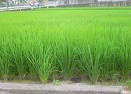 From July to August, farmers drain the wet rice paddies of water, so that the ground can be seen, as in the picture. This will harden the ground for the harvesting machinery to roll into the fields. If you do not do this, the machines will get stuck in the wet earth. Since this happens during the formal doyoo-days, the name was choosen.
http://www.telenet.tv/users/ibaya/farmer/doyoboshi.html
.................................................................................
kigo for mid-autumn
otoshimizu, otoshi mizu 落し水 (おとしみず) draining water
draining the water from the rice paddies
mizu otosu 水落す(みずおとす)"water falls" (is drained)
tamizu otosu 田水落す(たみずおとす)
seki hazusu 堰外す( せきはずす)take the water barrier off
This is an important part of rice farming to make sure the fields do not get too wet.

source : www.to-ki.jp/center
For the draining of the paddies, the water is let out of the fields in a way that it falls down for a few centimeters to one meter (three shaku) through a gutter to the field below. This rushing water makes a special sound.
二三尺秋の響や落し水
nisan shaku aki no hibiki ya otoshimizu
water falls down
for two three shaku -
sounds of autumn
Matsumura Gekkei 松村月渓
(1752 - 1811)
He studied haiku and painting with Yosa Buson.
one shaku is about 30 cm.
. Yosa Buson 与謝蕪村 in Edo .
阿武隈や五十四郡のおとし水
abukuma ya gojuushi gun no otoshi mizu
The Abukuma River;
Water drained off
Flows from fifty-four counties.
Tr. Shoji Kumano
. WKD : Abukumagawa 阿武隈川 in Fukushima .
- - - - -
雨乞の小町が果や落し水
amagoi no Komachi ga hate ya otoshimizu
thanks to the rain ritual
of Ono no Komachi -
draining the paddies
Tr. Gabi Greve
. Amagoi Komachi 雨乞小町. Lit. rain prayer Komachi. .
One of the seven versions of Ono no Komachi 小野小町
c. 825 — c. 900. Waka Poetess and Famous Beauty
- - - - -
足跡にひそむ魚あり落し水
ashiato ni hisomu uo ari otoshimizu
drained paddy field,
trapped in water footprint,
a small fish
Tr. ?
- - - - -
足あとのなき田わびしや落し水
ashiato no naki ta wabishi ya otoshimizu
the lonsomeness
of a paddy without footsteps -
draining the water
Tr. Gabi Greve
- - - - -
打々の寝心更けぬ落し水
muramura no negokoro fukenu otoshi mizu
Night deepens,
And sleep in the villages;
Sounds of falling water.
Tr. Blyth
in the villages
sleep wears on;
falling water
Tr. Haldane
- - - - -
温公の岩越す音や落し水
onkoo no iwa kosu oto ya otoshimizu
the sound of Onko
coming over the rock -
draining the rice fields
Tr. Gabi Greve
Shiba Onkoo 司馬温公 Shiba Onko 司馬光 Shiba Ko (1019 - 1086)
Chinese politician
He once saved a boy who was trapped in a large jar by breaking it with a stone. He did not fear being punished by the owner of the precious jar.
- reference : pottery with his story -
- - - - -
落水田ごとのやみとなりにけり
otoshimizu tagoto no yami to nari ni keri
draining the paddies
one by one they get darker
and darker
Tr. Gabi Greve
nari ni keri - hard to translate
- - - - -
竜王へ雨を戻すやおとし水
ryuu-oo e ame o modosu ya otoshimizu
giving the rain
back to the dragon king -
draining the paddies
Tr. Gabi Greve
- - - - -
落し水柳に遠く成にけり
otoshimizu yanagi ni tooku nari ni keri
:::::::::::::::::::::::::::::::::::::::::::::::::::::::::::::::::::::::::::::::::::::::::::::::::::::
***** Mizuawase no harai
水合の祓 (みずあわせのはらい)
purification of the court well
mizuawase 水合(みずあわせ)well water purification
On the first day of doyoo, the master of yin-yang ceremonies, (onyooji 陰陽師 onmyooji) Daikoku Minbu 大黒民部 would go through the important buildings of the Heian court and hold purification rituals for the wells.
This is an old custom from China
Onmyōdō (also In'yōdō) is a traditional Japanese esoteric cosmology, a mixture of natural science and occultism. It is based on the Chinese philosophies of Wu Xing and Yin and yang, introduced into Japan at the turn of the 6th century, and accepted as a practical system of divination. These practices were influenced further by Taoism, Buddhism and Shintoism, and evolved into present-day onmyōdō approximately in the late 7th century.
Bureau of Onmyoo (陰陽寮, Onmyoo-ryoo)
Onmyōji (陰陽師, also In'yōji) was one of the classifications of civil servants belonging to the Bureau of Onmyō in ancient Japan's ritsuryo system. People with this title were professional practitioners of onmyōdō.
Onmyōji were specialists in magic and divination.
© More in the WIKIPEDIA !
.SAIJIKI ... OBSERVANCES, FESTIVALS, RITUALS
Kigo for Summer
:::::::::::::::::::::::::::::::::::::::::::::::::::::::::::::::::::::::::::::::::::::::::::::::::::::
WASHOKU ... Japanese Food SAIJIKI
[ . BACK to DARUMA MUSEUM TOP . ]
[ . BACK to WORLDKIGO . TOP . ]
:::::::::::::::::::::::::::::::::::::::::::::::::::::::::::::::::::::::::::::::::::::::::::::::::::::


 Posts
Posts



12 comments:
draining the rice fields, otoshi mizu 落し水, mizu otosu 水落す、田水落す、堰外す
KIGO FOR AUTUMN
...................................
draining the rice field--
a loach also
climbs the rapids
otoshi mizu dojoo mo taki o noboru nari
.落し水鰌も滝を上る也
by Issa, 1818
In autumn when the rice is ready for harvest, farmers break the dikes that have kept the fields flooded.
A loach, a type of freshwater fish, struggles uphill against the current. Shinji Ogawa explains that Issa may be alluding to a legend of Chinese origin: carp that climb waterfalls turn into dragons. He adds, "Draining the rice field usually creates a foot-high waterfall.
The fate of the loaches that remain in the dried-up rice field is very interesting. They go deep into the soil like earthworms. We dig the dried-up rice field or the drainage ditch to catch the loaches.
The loaches in Japan were wiped out by DDT and other chemicals. After many silent springs, loaches are now returning to Japan, thanks to the growing awareness of enrivonmental issues."
Tr. David Lanoue
http://cat.xula.edu/issa/
虫干や下駄の並びの仏達
mushiboshi ya geta no narabi no hotoke-tachi
airing out clothes--
the lined-up wooden clogs
of the Buddhas
Kobayashi Issa
Mushiboshi
refers to a summer custom: putting clothing and bedding outside in the sun. I believe that this is a temple scene. The "Buddhas" are the monks.
Tr. David Lanoue.
.
Yosa Buson - otoshimizu
村々の寝ごころ更けぬ落し水
muramura no negokoro fukenu otoshimizu
Night deepens,
And sleep in the villages;
Sounds of falling water.
Tr. Blyth
MORE about sleep
Edo Saijiki
土用丑見ただけにしたウナギかな
doyoo ushi mita dake ni shita unagi kana
dog day
and this year I make do with looking at
broiled eel . . .
Eiji kun えいじくん
Ushito Matsuri 丑湯まつり festival at 温湯温泉 Nuruyu Onsen Hot Spring in Aomori.
7月21日
.
and the temple
Daienji 大圓寺 / 大円寺 Daien-Ji
for Fudo Myo-O and Kobo Daishi
.
Rokusan 六三 伝説 legends about Rokusan (Six Three)
Rokusan Sama is a deity that resides in various parts of the body, but in a different part every year. This part is prone to become sick.
In Niigata 新潟県
In various parts
rokusan ni ataru ロクサンに当る to be attacked by Rokusan
This could happen for various reasons:
During the days of doyo 土用:
If people would dig a hole or hammer a nail.
If people had to enlarge the space for the family graves,
.
Ehime, Imabari legend
On doyo no ushi no hi 土用の丑の日 (a day in mid July) the special dog day of Doyo it is taboo to make 味噌 Miso paste.
.
https://japanshrinestemples.blogspot.jp/2017/08/yama-no-kami-06-regional.html
,
Collecting legends about MISO
https://heianperiodjapan.blogspot.com/2019/04/miso-legends.html
.
Legend from Osaka
住吉区 Sumiyoshi ward 莵原郡住吉村の住吉神社 Ubara district, Sumiyoshi village
sazare-ishi, sazare ishi さざれ石 boulder grown from pebbles
This stone is located in front of the 住吉神社 Sumiyoshi Shrine.
Normally there is no water in its holes, but on 土用に入る日 the first day of Doyo, water begins to accumulate.
.
https://edoflourishing.blogspot.com/2019/09/sumiyoshi-kishu-kaido-highways.html
.
Legend from Kagawa 三豊郡 Mitoyo district 詫間町 Takuma town
.
enko エンコ Kappa (in the local dialect)
From the first day of the doyo no hi 土用の日 dog days until 9 days later, there is a festival at the top of the peninsula.
If people do not eat komugi no dango 小麦の団子 dumplings from wheat, they will be tricked by the Kappa.
.
https://heianperiodjapan.blogspot.com/2020/02/komugi-omugi-wheat-barley-legends.html
.
Legend from Nagasaki, Minamishimabara city 北有馬村 Kita-Arima village
.
The villagers had take water from the riverside at Kita-Arima village and begun to live there.
One summer at the beginning of doyoo 土用 the Dog Days the water stopped to flow.
They went to pray at 庚申神社 the Shrine Koshin Jinja.
After 33 days, the Koshin Deity appeared in a dream of the priest:
"The reason why dhere is no water is because 水神 Suijin the Water Deity had cursed the place."
The villagers threw a pregnant woman into the river as offering for Suijin.
The priest, the lover of the woman, threw himself also into the water and died.
Since then, 33 days after the beginning of the Dog Days, there is a bell ringing at the riverside.
.
https://gokurakuparadies.blogspot.com/2021/08/sanjusangendo-legends.html
.
Legend from Nagano, 上田市 Ueda city
.
Once upon a time, when the 藤原氏 Fujiwara clan thrived in Kyoto,
the 菅原氏 Sugawara clan leader used ushiguruma 牛車 an ox cart to flee from the city.
When he reached 室賀峠 the Muroga Toge pass the oxen had lost all its power and fell down dead.
The people burried the oxen with rituals and classical poetry, and thus the animal turned into a stone.
It is now venerated as a deity for teeth and mouth diseases.
A special ritual is held on doyoo no ushi no hi 土用の丑の日 the day of the oxen in late-summer
to keep its spiritual power alive.
.
https://heianperiodjapan.blogspot.com/2022/01/ox-cart-legends.html
.
Post a Comment