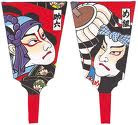
2/10/2005

Bee (mitsubachi)

[ . BACK to Worldkigo TOP . ]
:::::::::::::::::::::::::::::::::::::::::::::::::::::::::::::::::::::::::::::::::::::::::::::::::::::

Bee (mitsubachi, hachi )

***** Location: Japan
***** Season: Various, see below
***** Category: Animal


*****************************
Explanation

The honey bee (mitsubachi ミツバチ、蜜蜂) is man’s oldest friend on earth, probably.

Although we see them throughout the year till late autumn, and they are most active in summer with all blossoms out, as a KIGO, they come in the SPRING season, when we see the first ones again. They express the joy of the life circle starting anew.


From a page about Plum Blossoms with awsome pictures.
Thank you, Wada san.
http://wadaphoto.jp/japan/baigou2.htm

:::::::::::::::::::::::::::::::::::::::::::::::::::::::::::::::::::::::::::::::::::::::::::::::::::::

Bees and related insects
kigo for all spring


mitsubachi 蜜蜂(みつばち) honey bee
kobanabachi 小花蜂(こばなばち) "bee on small blossoms)
kumabachi 熊蜂(くまばち)carpenter bee
ashinagabachi 足長蜂(あしながばち)"bee with long legs" (a kind of wasp, Fam. Polystes)

himebachi 姫蜂(ひめばち)"princess bee", ichneumon
. . . CLICK here for Photos !

kibachi 黄蜂(きばち)"yellow bee"

suzumebachi 雀蜂(すずめばち)hornet, Fam. Vespidae
kurosuzumebach 黒雀蜂(くろすずめばち)black hornet
yamabachi 山蜂(やまばち)"mountain bee", kind of hornet

jigabachi 似我蜂(じがばち)digger wasp
jibachi 地蜂(じばち)wasp, earth wasp, Vespula flaviceps
tsuchibachi 土蜂(つちばち), anabachi 穴蜂(あなばち)
tokuribachi 徳利蜂(とくりばち)"wasp like a tokkuri sake flask",

jooobachi 女王蜂(じょおうばち)queen bee
obachi 雄蜂(おばち)drone, male bee
hatarakibachi 働蜂(はたらきばち)worker bee

hachi kau 蜂飼う(はちかう)keeping bees, beekeeping

hachi no ken 蜂の剣(はちのけん)stinger of the bee
hachi no hari 蜂の針(はちのはり)needle of the bee

hachi no ko 蜂の子(はちのこ)、
蜂の王(はちのおう) larva of the bee

hachi no su 蜂の巣 (はちのす) bee hive
... hachi no su 蜂の窩(はちのす)
hachi no hako 蜂の箱(はちのはこ) box to keep bees, Bienenkorb
subachi 巣蜂(すばち) bee in a hive


swarming
Swarming is the natural means of reproduction of honey bee colonies. A new honey bee colony is formed when the queen bee leaves the colony with a large group of worker bees, a process called swarming. In the prime swarm, about 60% of the worker bees leave the original hive location with the old queen. This swarm can contain thousands to tens of thousands of bees. Swarming is mainly a spring phenomenon, usually within a two- or three-week period depending on the locale, but occasional swarms can happen throughout the producing season.
. More in the WIKIPEDIA !

:::::::::::::::::::::::::::::::::::::::::::::::::::::::::::::::::::::::::::::::::::::::::::::::::::::

kigo for all autumn

aki no hachi 秋の蜂 (あきのはち) bee in autumn


kigo for late autumn

hachi no ko 蜂の仔 (はちのこ) bee and wasp larvae
jibachi yaki 地蜂焼(じばちやき)roasted bee larvae
hachi no ko meshi 蜂の子飯(はちのこめし) rice with bee larvae

. WASHOKU
Autumn food


:::::::::::::::::::::::::::::::::::::::::::::::::::::::::::::::::::::::::::::::::::::::::::::::::::::

kigo for all winter

fuyu no hachi 冬の蜂 (ふゆのはち) bee in winter
... fuyubachi 冬蜂(ふゆばち)"winter bee"
itebachi 凍蜂(いてばち)bee in the cold, freezing bee


冬蜂の死にどころなく歩きけり
fuyubachi no shinidokoro naku arukikeri

a winter bee
with no place to die
keeps walking


. Murakami Kijoo 村上鬼城 Murakami Kijo .


:::::::::::::::::::::::::::::::::::::::::::::::::::::::::::::::::::::::::::::::::::::::::::::::::::::


sweat bee, kenaga chibi kohanabachi
コハナバチの一種ケナガチビコハナバチ
Lasioglossum villosulum trichopse

sweat bee --
a sheen of sap shines
on the tree leaf

"chibi" (pen-name for Dennis M. Holmes)      

:::::::::::::::::::::::::::::::::::::::::::::::::::::::::::::::::::::::::::::::::::::::::::::::::::::


'Meat bee' would probably be an early autumn kigo.

"When weather gets colder (Sept-October), food resources get scarce; this is when yellowjackets would come to your picnic, trying to take a sip from your coke, or a bite from your burger meat (honey bees never show these behaviors). Some people call them "meat bees" even though they are not bees. Stinging incidents are highest during this time of the year. They are often seen eating fallen apples and other
fruits."
And they can sting multiple times without dying from doing it.
http://www.cyberbee.net/column/stinging/yellowjackets.shtml

:::::::::::::::::::::::::::::::::::::::::::::::::::::::::::::::::::::::::::::::::::::::::::::::::::::


Some Animal Facts
Honey bees are in the class Insecta. There are approximately 20,000 species of bees within the order Hymenoptera, of which only seven species are recognized as honey bees. Honey bees and belong in the family Apidae.

Originally found only in Europe, honey bees are now naturalized worldwide. They were domesticated over 200 years ago in the United States for honey production and pollination.
Habitat
In the wild, honey bees nest in tree hollows or other cavities. They are commercially bred worldwide for pollination of flowering plants and for honey production.

Fascinating Facts
Beekeeping was practiced in ancient Egypt as early as 2500 B.C.!
One pound (.45 kg) of honey equals the life work of approximately 300 bees and a flight distance of two to three times around the earth!
Honey tastes different depending on the type of flowers the bee visits!
http://www.zoo.org/educate/fact_sheets/bee/bee.htm


The treatment with bee products is called Apitherapy. I am a specialist in that field and can only recommend it to keep fit and busy like a bee.
http://www.apitherapy.org/

Other animals of the Bee family are
hornets, wasps, jellow jackets, bumble bees and so on.
They are all kigo for all spring.
Beehive
and beekeeper are also kigo for this season.

Honeywine , mead, one of my favorite bee products, is a kigo for winter.
Mead is one of the oldest alcoholic beverages of humankind. It has been made in Ethiopia for many thousand years.

Gabi Greve

*****************************
Worldwide use

Australia

The Honey Bee is an introduced social insect. Worker bees visit flowers in search of pollen during the summer months, and may sting if handled or caught in clothing. They are particularly attracted to clover flowers, so it is wise to be cautious if walking through clover patches. Like wasps, Honey Bees will vigorously defend their nests.

More about Australian Bees is here:
Copyright © Australian Museum, 2003


plucked to safety
by the hand of fate . . .
drowning bee

Richard Kay, Australia


Over here we don't have winter snow and a subsequent spring thaw, we see the bees all year round, but they are prolific in summer.
They are a kigo for summer.

Richard Kay, Australia

xxxxxxxxxxxxxxxxxxxxxxxxxxxxx


Manuka Honey from New Zealand is especially famous for its medical properties.


*****************************
Things found on the way
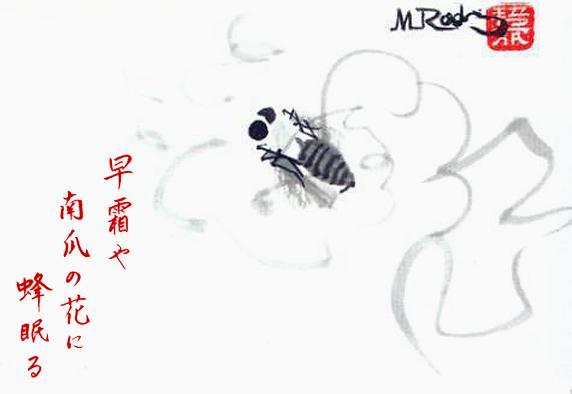


hayajimo ya kabocha no hana ni hachi nemuru

a bee asleep
in the squash blossom
early frost

This haiku was chosen for third place in spite of the fact it has three different seasonal references. Actually, this is it's true appeal insofar as being a classic transition haiku. How skillfully Joyce has taken her readers from the summer season (bee), to the autumn season (squash blossom), to the winter season (early frost). There is no self in this haiku, but the author is definately present. She takes us from the surface where the bee was, to the depth the bee sought, and yet even deeper into the seasonal change until we end up actually becoming that bee itself . . .
an'ya Haiga Online
http://www.haigaonline.com


*****************************
HAIKU


. WKD : Kobayashi Issa 小林一茶 in Edo .


みつ蜂や隣に借せばあばれ蜂
mitsu-bachi ya tonari ni kaseba arare-bachi

honeybees lend
their nest to neighbors --
angry hornets  

Tr. Chris Drake

This ironic spring hokku is from the 3rd month (April) of 1824, when Issa was in his hometown and traveling to nearby towns. In the previous hokku in Issa's diary, he writes about honeybees making a nest or hive under the eaves or roof of the gate (or possibly in the area above the front door), so I assume this hokku is also about the same gate. Japanese honeybees migrate to a new area if the nectar and pollen near their nest runs out, and the bees nesting in the gate seem to have moved on, leaving their nest behind for the neighbors to use.

Unfortunately, some hornets in the neighborhood noticed and have moved in. Japanese honeybees and hornets are natural enemies, and hornets prey on bees whenever they can. In response, Japanese honeybees have developed a system of group defense in which they swarm and kill any hornet that tries to come near a nest. Imported European honeybees have not developed this defense, and whole colonies can be quickly destroyed by Japanese hornets. Perhaps the hornets in Issa's hokku have been trying to get at the honey and pollen in the nest for some time but were only able to move into the nest after the bees migrated elsewhere.

Presumably Issa says "lend" because the bees left first and entrusted their neighbors with the nest -- though probably the bees weren't thinking of hornets. In any case, the hornets are much more aggressive than the bees, and they now threaten Issa and other humans who go through the gate or door. Issa obviously prefers the kinder, more sociable, less aggressive bees.

For the group defense against hornets developed by Japanese honeybees, see:
source : science/article/2012-03

Chris Drake

- - - - -


山住や蜂にも馴て夕枕
yama-zumi ya hachi ni mo narete yuumakura

in the mountains
I get used to sleeping
with wasps

Tr. Chris Drake

Written in the 2nd month (March) of 1810, when Issa was traveling around in the area just east of Edo in what is now called Chiba Prefecture. He writes often of cherry blossoms and wild geese leaving for the north and of farmers burning old grass in spring fields. He also stayed in the mountains (either in a village in a valley or on a mountain) for a few days and needed to get used to the house he was staying in. I think the first line, "living in the mountains," probably refers both to his host, the owner, who lives in the house permanently (and who is probably one of his followers), as well as to Issa's own temporary stay.

Somewhere in the eaves of the rough house is a nest of stinging insects (hachi). In the previous hokku in his diary Issa calls them yamabachi, or Vespinae, wasps/hornets, and he seems to be talking about the same house in this hokku. Issa says "even wasps," so he's also referring to the whole experience of sleeping at night in the house.

Issa seems to imply that learning to trust the wasps not to sting him when he was going to sleep was a bit difficult. Hard-earned, difficult trust is behind a lot of Issa's writing.

Chris Drake


. WKD : Kobayashi Issa 小林一茶 in Edo .

:::::::::::::::::::::::::::::::::::::::::::::::::::::::::::::::::::::::::::::::::::::::::::::::::::::


empty teacup –
left in the garden,
hum of bees

Ryuuseki Takiguchi
floatingstone.net 2004


:::::::::::::::::::::::::::::::::::::::::::::::::::::::::::::::::::::::::::::::::::::::::::::::::::::


Die Sonne sank schon.
Verstreut auf dem Schnee
tote Bienen.

Sun already set.
Here and there on the snow
dead bees.

(Tr. Gabi Greve)

Volker Friebel
Sa. 24.01.2004,
http://www.wolkenpfad.de/Haiku/Haiku-1/haiku-1.html

:::::::::::::::::::::::::::::::::::::::::::::::::::::::::::::::::::::::::::::::::::::::::::::::::::::


from deep within
the peony pistils -- withdrawing
regretfully the bee

in Basho's travel diary
Skeleton in the Fields (Nozarashi kiko).
http://www.haikupoet.com/beyond_the_haiku_moment.html

:::::::::::::::::::::::::::::::::::::::::::::::::::::::::::::::::::::::::::::::::::::::::::::::::::::


http://www.animalphotography.com/images/bumblebee.jpg

the German Shepherd—
not sure whether to chase or

flee the bumblebee

gK c 2004.05.28

:::::::::::::::::::::::::::::::::::::::::::::::::::::::::::::::::::::::::::::::::::::::::::::::::::::


a beehive--
safe on Saint Jizo's
elbow

hachi no su ya Jizô bosatsu no on-hiji ni

Issa

...............................................................................
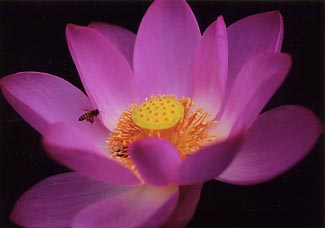


http://www3.kcn.ne.jp/~mamama/nara/floral/kikouji-temple-03.htm

move aside
horseflies and bees!
lotus are blooming

abu-bachi mo sotchi noke noke hasu no hana
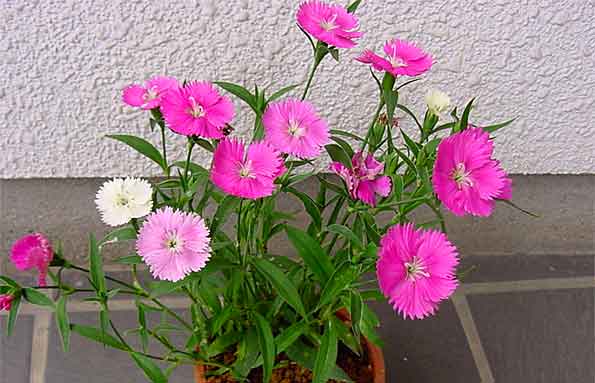


http://www.linkclub.or.jp/~t_yamada/2001.html

a blooming pink--
the big bee
stings it!


nadeshiko ga ôki na hachi ni sasare keri

Issa
http://webusers.xula.edu/dlanoue/issa/


:::::::::::::::::::::::::::::::::::::::::::::::::::::::::::::::::::::::::::::::::::::::::::::::::::::
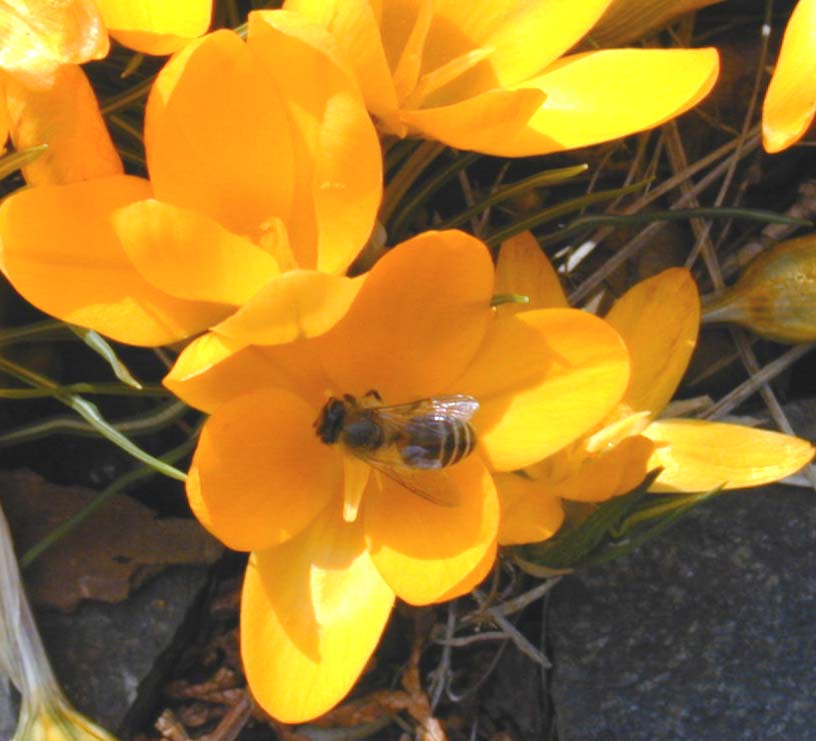


buzzing free
through spring breeze
a humble bumblebee ~


Narayanan Raghunathan

© Photo Gabi Greve, 2006
Spring in India

:::::::::::::::::::::::::::::::::::::::::::::::::::::::::::::::::::::::::::::::::::::::::::::::::::::


Vidur Jyoti

nectar
in the honeycomb
venom in sting


Vidur Jyoti, India, February 2008


:::::::::::::::::::::::::::::::::::::::::::::::::::::::::::::::::::::::::::::::::::::::::::::::::::::

leaking hive --
honey drips onto
my dry lips


Brian Etole
Kenya, October 2010


.................................................................................


zzz--
a helpless bee is caught
on wet paint


Antony Mwangi
Kenya, March 2011


:::::::::::::::::::::::::::::::::::::::::::::::::::::::::::::::::::::::::::::::::::::::::::::::::::::


rising sun -
a bee sniffling from one
sunflower to another


Sibiko Yamame
Kenya, January 2011


:::::::::::::::::::::::::::::::::::::::::::::::::::::::::::::::::::::::::::::::::::::::::::::::::::::


hornet sting -
how slowly the poison
invades my body


Gabi Greve, October 2011


:::::::::::::::::::::::::::::::::::::::::::::::::::::::::::::::::::::::::::::::::::::::::::::::::::::


withered garden --
never thought
i would miss the bees


shared by Alan Pizzarelli - June 2013


*****************************
Related words

***** winter bee, winter wasp : fuyu no hachi 冬の蜂 
Kigo for Winter

***** frozen bee or wasp : itebachi 凍蜂 
Kigo for Winter


***** Winter butterfly, freezing butterfly (fuyu no choo, itechoo)


:::::::::::::::::::::::::::::::::::::::::::::::::::::::::::::::::::::::::::::::::::::::::::::::::::::

WASHOKU
Konchu Ryori, konchuu ryoori 昆虫料理 Insects as food

Hachi no ko 蜂の仔(はちのこ, 蜂の子)
bee and wasp larvae


fried bee larvae, jibachi yaki 地蜂焼(じばちやき)
rice with bee larvae, hachi no ko meshi 蜂の子飯(はちのこめし)

kigo for late autumn

:::::::::::::::::::::::::::::::::::::::::::::::::::::::::::::::::::::::::::::::::::::::::::::::::::::


a play with words

mitsubachi no hi - day of the bee
eighth day of the third month

hachimitsu no hi - day of honey
third day of the eighth month


[ . BACK to WORLDKIGO . TOP . ]
:::::::::::::::::::::::::::::::::::::::::::::::::::::::::::::::::::::::::::::::::::::::::::::::::::::

2/06/2005

Beach Pea (hama-endoo)

[ . BACK to WORLDKIGO . TOP . ]
::::::::::::::::::::::::::::::::::::::::::::::::::::::::::::::::::::::::::::::::::::::::::::::::::::: 

Beach Pea (hama-endoo)

***** Location: Japan
***** Season: Early Summer
***** Category: Plant


*****************************
Explanation

Hama-endoo, ハマエンドウ 浜豌豆
Beach pea
Lathyrus japonicus


CLICK for more photos

Grows in the sandy beaches of Japan. Hight about 20 to 60 cm. Flowers about 3 cm big.

:::::::::::::::::::::::::::::::::::::::::::::::::::::::::::::::::::::::::::::::::::::::::::::::::::::


Lathyrus japonicus (common names Sea Pea, Beach Pea, Circumpolar Pea, Sea Vetchling) is a legume native to temperate coastal areas of Asia, Europe, North and South America.

It is a herbaceous perennial plant growing trailing stems to 50-80 cm long, typically on sand and gravel storm beaches. The leaves are waxy glaucous green, 5-10 cm long, pinnate, with 2-5 pairs of leaflets, the terminal leaflet usually replaced by a twining tendril. The flowers are 14-22 mm broad, with a dark purple standard petal and paler purple wing and keel petals; they are produced in racemes of 2-7 together.

The unusually extensive native range is explained by the ability of the seeds to remain viable while floating in sea water for up to 5 years, enabling the seeds to drift nearly worldwide. Germination occurs when the hard outer seed coat is abraded by waves on sand and gravel.

The pods can be eaten but like many members of the genus Lathyrus they contain β-oxalyl-L-α,β-diaminopropionic acid, which can cause paralysis called lathyrism. The leaves of the plant are used in Chinese traditional medicine.
© More in the WIKIPEDIA !


*****************************
Worldwide use

Strand-Platterbse

:::::::::::::::::::::::::::::::::::::::::::::::::::::::::::::::::::::::::::::::::::::::::::::::::::::


North America


Connecticut Wildflowers
• Family: Pea (Fabaceae)
• Habitat: sandy shores
• Height: 1-2 feet
• Flower size: 3/4 inch wide
• Flower color: pink to purple
• Flowering time: June to August
• Origin: native
http://www.ct-botanical-society.org/galleries/lathyrusjapo.html


Synonyms: sea pea, Lathyrus maritimus
Lathyrus japonicus


Grows in open, sandy area. Attracts bees, wasps, and butterflies. Blooms late spring to summer.
It, like pea plants, is a runner (vine). It grows above the tideline flourishing amongst the rounded stones and sand. Any one familiar with the garden pea plant will immediately recognize the flower of the beach pea. It’s flower is of a rather complicated arrangement and colored pink-lavender; it is quite showy. And, yes, little pea pods will show up where the flowers have been. It is thought that the herbage of the beach pea contains a poisonous alkaloid.

Carole MacRury


*****************************
Things found on the way


Nice picture page with flowers that bloom
on the Japanese sea shores.

http://www.mitomori.co.jp/hanazukan/hanazukan2.12.html


*****************************
HAIKU


浜豌豆網繕ふに網に座し

beach peas -
repairing the nets while
sitting on nets


蒔田 孝子
http://www.ginet.or.jp/haiku/taikai/00taikai-1.htm


xxxxxxxxxxxxxxxxxxxxxxxxxxxxx


seaside retreat -
an old tent surrounded
by beach pea …


Carole MacRury


*****************************
Related words

***** . Beach and Shore (hama)  


[ . BACK to WORLDKIGO . TOP . ]
::::::::::::::::::::::::::::::::::::::::::::::::::::::::::::::::::::::::::::::::::::::::::::::::::::: 

Bamboo (take)

[ . BACK to Worldkigo TOP . ]
:::::::::::::::::::::::::::::::::::::::::::::::::::::::::::::::::::::::::::::::::::::::::::::::::::::

Bamboo (take 竹)

Bamboo is maybe the most representative plant of Asia. The bamboo grove with the seven sages of old China 竹林七賢 has enchanted Asian art for hundreds of years. See below.

Daruma skillfully made of a piece of bamboo


Collection of Gabi Greve, Daruma Museum
Take - Bamboo Art Read more.


Bamboo is with us all year round, so TAKE 竹 is not a kigo in itself. But it has many seasonal associations.

First some general remarks on Bamboo by Haiku Poet Geert Verbeke
Bamboo is a revered plant, depicts summer and is the most painted subject in the Orient. Bamboo is associated with the moon, and the moon with a dragon。

Bamboo represents strength and the virtues of the male, reflecting a senseof perfect balance with upright integrity and tremendous flexibility. Bamboois a long lived and evergreen beautiful plant, world-wide a source of inspiration for many artists. This grass family (Gramineae) is originating from tropical and subtropical regions, most abundant in the monsoon area of East Asia.

Bamboo can reach 30 m high and 30 cm diameter. The center of the bamboo plant is hollow, suggesting humility. The bamboo plant bears no flower or fruit which are considered temporary make-up. Due to its unique structure and qualities, not found elsewhere in the plant kingdom, the bamboo culm is suited for a multitude of applications, with many admirable qualities.

Bamboo is always been used for many wonderful purposes:


Food: bamboo shoots;

Houses: roofs, traps, walls, mats, furniture, trellis, fences, poles,
split bamboo floors;

bridge construction; irrigation systems: with as heart a water wheel constructed almost entirely of various bamboo species. This fast growing, renewable building material offers unparalleled strength and a graceful form, not only for supporting plants but also for creating decorative structures.

Bamboo is a source of countless useful products:


artwork: pencils, frames. Bamboo as a profound influence on local legends, writers, painters and musicians. The bamboo is thought of as the Father of brush painting (Sumi-e), representing simplicity of life and a humble spirit;

Containers and vessels: for the storage or transport of water;

Weapons: kendo bamboo swords;

Knifes: used to cut the umbilical cord at birth and employed during burial ceremonies. In the lifes of the indigenous peoples of Asia bamboo is present from cradle to grave. Bamboo is also employed in many traditional ceremonies and may be used as medicine or charm. anglers; music instruments;

Lucky bamboo sticks: feng shui.

Flutes: Bamboo flutes are considered one of the best Feng Shui cures available.

Geert Verbeke
http://www.geocities.com/ana_vazic/esejeng15.htm
http://groups.yahoo.com/group/happyhaiku/message/1283


:::::::::::::::::::::::::::::::::::::::::::::::::::::::::::::::::::::::::::::::::::::::::


"Three friends of Winter", Pine, Bamboo and Plum
Shoo-chiku-bai (shochikubai) 松竹梅

They are an auspicious assembly used since olden times in Chinese art, later in Japanese art too. The symbolic meaning of the Pine Tree is "Long Life". Pine trees show abundand green even in the fiercest of winter and hardly dry out, so they have been a symbol of long life in China since old times. As symbol of good luck and agelessness this tree has stood in veneration and together with the bamboo, which bends but never breaks and plum tree, one of the first flowers of spring, as become an expression of celebration and joy.

In this example, they are painted on a Daruma Doll, for extra good luck at New Year.

Click the doll for the text.


Bamboo, Crane and the Turtle are a group for Long Life.
http://www.amie.or.jp/daruma/Tsurukame.html


Bamboo, Sparrow and Snow are a group representing Friendship.


http://www.artelino.com/archive/auctions.asp?evt=133&cay=0&spe=2004


Zen und Bambus, Bambus und Zen
Eine Geschichte aus China


. Edo no takenoko 江戸の筍 bamboo shoots in Edo .


**************** KIGO *************

Spring


take no aki - Autumn of the bamboo 竹の秋
The leaves look almost orange as tree leaves to in autumn.


haru no takenoko 春の筍 (はるのたけのこ)
bamboo shoots in spring
..... harutake no ko 春筍(はるたけのこ)
..... shunjun 春筍(しゅんじゅん)


"bamboo splitting festival", takewari matsuri Japan 竹割祭


*****************************


Summer


. take no ko, takenoko <> bamboo shoots 筍  .
笋(たけのこ), takanna たかんな, たかうな
hachiku no ko 淡竹の子(はちくのこ)bamboo sprouts
madake no ko 苦竹の子(まだけのこ)- 真竹
moosoochiku no ko 孟宗竹の子(もうそうちくのこ)

takenoko meshi 筍飯(たけのこめし) rice with bamboo sprouts
..... nokomeshi のこめし, tako una たこうな, takanna たかんな

kigo for early summer

hachiku : Phyllostachys nigra
madake : Phyllostachys bambusoides
moosoochiku : Phyllostachys pubescens


They are one of those delicasies of the season, free food in rural areas. On the picture below it says they are in season from beginning of April to beginning of May.


- - - - - Bamboo shoots in my woods, summer 2010


竹の子の千世もぽっきり折にけり
takenoko no chiyo mo pokkiri ore ni keri

the thousand year
bamboo shoot...
snap! broken


Kobayashi Issa


Robin D. Gill points out that pokkiri in the Edo era connoted "the sound made when a hard thing breaks." Shinji Ogawa explains:
"If there were no people, the bamboo shoot would grow to adulthood and enjoy the thousand years of its life. But someone has snapped the bamboo shoot for dinner."
Tr. David Lanoue


.................................................................................


take no kawa nugu <> peeling off wrapped leaves of bamboo, skin of bamboo 竹の皮脱ぐ
take no kawa 竹の皮(たけのかわ)
take no kawa chiru 竹の皮散る(たけのかわちる)


take ochiba - fallen leaves of bamboo 竹落ち葉 ,
take no ha chiru 竹の葉散る(たけのはちる)

sasa chiru 笹散る, take no ochiba 竹の落葉

(early summer)
During the summer, if you walk in a bamboo grove, the earth is covered with the small slender leaves of bamboo. This is the season when bamboo changes its leaves.
(ochiba is a kigo of winter.)

Day to plant bamboo : take ueru hi 竹植える日, take utsusu 竹移す, take suijitsu 竹酔日
The 13th of May, according to the Lunar Calendar, was best suited for this activity. Sometimes this day is also called "birthday of the bamboo" take tanjistu 竹誕日. Nowadays this is around June 23.

Shino Bamboo sprouts, suzu no ko, sasa no ko 笹の子, 芽笹, 篶(すず)の子, 馬篠,兒(ちご)篠, 焼葉篠, 五枚篠
mezasa 芽笹(めざさ) shino bamboo sprouts
Shinodake 篠竹 is a special slender type of bamboo, also called Hokodake 鉾竹.
shino 篠 small kind of bamboo, arrow bamboo
shinodake 篠竹, medake メダケ(雌竹)
Pleioblastus Simonii
shinohara 篠原 arrow bamboo grove

初霜や秋をこめても置きつらん
今朝色變る野路の篠原


hatsujimo ya aki o kometemo okitsuran
kesa iro kawaru noji no shinohara

Have the first frosts
In the midst of autumn
Fallen?
This morning has brought a change of hue
To the arrow-bamboo groves in Noji!

Tr. Thomas McAuley

Lord Kanemune. Roppyaku-ban Uta Awase


. fallen leaves, falling leaves, ochiba 落葉 .


.................................................................................


plant kigo for mid-summer

kotoshi-dake, kotoshidake 今年竹 bamboo of this year 

take no hana 竹の花 (たけのはな) bamboo flowers
take saku 竹咲く(たけさく) bamboo is flowering
. . . CLICK here for Photos !


plant kigo for late summer

wakatake 若竹 (わかたけ) young bamboo
..... kotoshidake 今年竹(ことしだけ)bamboo of this year
take no wakaba 竹の若葉(たけのわかば)young leaves of bamboo
take no wakamidori 竹の若緑(たけのわかみどり) young green of bamboo


わか竹や是も若は二三日
wakatake ya kore mo wakaki wa nisan nichi

young bamboos --
these, too, young
for two or three days

Tr. Chris Drake


This early summer hokku is from the 4th month (May) of 1810, when Issa was traveling around the area east of Edo. In May new bamboos are coming up all over the place, and Issa says these bamboo shoots, too, are youths / have a youth lasting only two or three days (an expression that can also mean a few days). The implied comparison seems to be the main focus of the hokku.
I take the "too" to refer to young humans. In fact, the most common meaning of wakaki in the second line was a youth or young person. In Issa's time older children spent much of their time raising younger siblings, child labor was common, and even in families that were "middle class" children were often sent out for training as apprentices or servants at nine or ten. In a way Issa was lucky he didn't get sent out for training until he was thirteen (fourteen by Japanese counting), though he had to go all the way to Edo.

Chris Drake


. WKD : Kobayashi Issa 小林一茶 in Edo .

.................................................................................


humanity kigo for mid-summer

take uu 竹植う (たけうう) planting bamboo
take uu hi 竹植う日(たけううひ) day to plant bamboo
take utsusu 竹移す(たけうつす)replanting bamboo
take tanjitsu 竹誕日(たけたんじつ)"bamboo birthday"
take suijitsu 竹酔日(たけすいじつ)
take meijitsu 竹迷日(たけめいじつ)
chikuyoojitsu 竹養日(ちくようじつ)

According to the old Chinese tradition, bamboo planted on the 13 day of the fifth lunar month, this bamboo would certainly take roots and grow well. This custom was also appreciated in Japan, where bamboo planting began just at the beginning of the rainy season


降らずとも 竹植る日は 蓑と笠
furazu tomo take uu hi wa mino to kasa

even if it does not rain
they plant on bamboo planting day -
a mino-raincoat and a rain-hat


Matsuo Basho, between 41 and 51 years of age.

Basho uses the expression "mino to kasa" to describe the looks of the farmers planting bamboo.

In China the 13th day of the 5th lunar month was called
takesuijtsu 竹酔日 day to plant bamboo.

mino to kasa 蓑と笠
. Matsuo Basho 松尾芭蕉 - Archives of the WKD .


. SAIJIKI ... HUMANITY - Kigo for Summer  


春雨やものかたりゆく蓑と笠
. harusame ya mono katariyuku mino to kasa .
Yosa Buson

.................................................................................


"Bamboo Wife" (chiku fujin) Asia. Bamboo sleeping companion.
"Dutch Wife"


*****************************


Autumn


Take no haru - spring of the bamboo (mid-autumn) 竹の春

ときどきの風のそよぎや竹の春
Look at a wonderful picture here:
http://osaka.yomiuri.co.jp/kigo/2001/010920.htm


Take kiru <> cutting bamboo (if you cut in other season, it does not keep well) 竹切る/ 竹伐る (たけきる)

Take no mi <> fruit of the bamboo 竹の実


:::::::::::::::::::::::::::::::::::::::::::::::::::::::::::::::::::::::::::::::::::::::::::::::::::::

observance kigo for early autumn

. tanabatadake 七夕竹 bamboo for Tanabata .
tansakudake 短冊竹(たんざくだけ)bamboo for Tansaku
tanabatadake uri 七夕竹売(vendor of tanabata bamboo poles


*****************************

Winter


stilts, takeuma, takashi (all winter) 竹馬、 高馬、高足、たかし、
鷺足(sagiashi)


http://www.koryosha.co.jp/densho/takeuma.html

takeuma (chikuba) literally means : Bamboo Horse
sagiashi literally means : legs of a heron.


. Takeuma - bamboo stilts and toys from Japan .


*****************************


New Year Kigo


kazaritake - Bamboo decoration 飾り竹 , 飾竹

See Kadomatsu, Pine Decorations for more explanation.

:::::::::::::::::::::::::::::::::::::::::::::::::::::::::::::::::::::::::::::::::::::::::::::::::::::
:::::::::::::::::::::::::::::::::::::::::::::::::::::::::::::::::::::::::::::::::::::::::::::::::::::


Buddha's Belly, Bambusa ventricosa

CLICK for more photos

Bambusa ventricosa is a species of bamboo which is native to the Guangdong province in China. The species is cultivated in subtropical regions all over the world because of its bulbous and ornamental clums. It is also used in bonsai.


ryuuchiku 龍竹 "dragon bamboo"
in Yunnan china


:::::::::::::::::::::::::::::::::::::::::::::::::::::::::::::::::::::::::::::::::::::::::::::::::::::

Bamboo Music Instruments from the whole world.
http://www.world-bamboo.com/en/instruments.cfm


Weaving Bamboo
- Reference -

::::::::::::::::::::::::::::::::::::::::::::::::::::::::::::::::::::::::::::::::::::::::

The Seven Sages of the Bamboo Grove
.. .. .. Bonsai with this name


http://www.venuscomm.com/Penjingchoices/closeups/p30.html

The Seven Sages of the Bamboo Grove were a group of Chinese scholars, poets, artists and musicians of the mid-3rd century AD who banded together to escape from the hypocrisy and danger of the official world to a life of drinking wine, playing music and writing verse in the country.
Look at their musical world here:
http://www.silkqin.com/09hist/other/zhulinqixian.htm
.. .. .. Screen painting
http://www.miho.or.jp/booth/html/artimg/00003257_01e.htm


http://www.artnet.com/Magazine/features/cassidy/cassidy1-10-13.asp


The Seven Worthies of the Bamboo Grove

- Reference -


*****************************

Bamboo Haiku and Photos by Gabi Greve


the sound of iced snow
dripping
in the bamboo grove

Look at my
Bamboo Haiku Story. 竹物語


*****************************
HAIKU


萎れ伏すや世はさかさまの雪の竹
shiore fusu ya yo wa sakasama no yuki no take

withered and bent over,
the whole world upside down:
bamboo in snow

Tr. Barnhill

Written in 寛文7年, Basho age 24.
Most probably he had been to the funeral of child of his friend. The poor parents are devastated and bend like the bamboo in snow.

The pattern is 6 7 5.

. Matsuo Basho 松尾芭蕉 - Archives of the WKD .


- Snow and Bamboo - Gabi Greve - 2008


:::::::::::::::::::::::::::::::::::::::::::::::::::::::::::::::::::::::::::::::::::::::::::::::::::::

pen drawing
with Indian ink
bamboo shoots

fleeting shadows
a fountain of leaves
single bamboo

Geert Verbeke


xxxxxxxxxxxxxxxxxxxxxxxxxxxxxxxxxxxxxxx


the bamboo princess
waiting in the ricefield
for the moon


Ikebana and Haiku by Erika Schwalm

The Bamboo Princess, Kaguya-Hime
http://www.topics-mag.com/edition16/looks-folktale-jp-bamboo.htm

xxxxxxxxxxxxxxxxxxxxxxxxxxxxxxxxxxxxxx


kansoo ni makete ya waruru take no oto

in dry air
it gives up and splits -
sound of bamboo


Gabi Greve, (C) 2004

The air has gotten so dry, the bamboo over in the grove starts his grueling "Splitting song" of spring. Ponn, ponn, poooonk. An eery sound on such a warm sunny, but very dry day.
Happy Haiku Forum


bamboo grove
sunshine dripping
from wet leaves

Gabi Greve (C) 2004
More Haiku about Bamboo
Daruma Forum Gabi Greve

xxxxxxxxxxxxxxxxxxxxxxxxxxxxxxxxx


.. Young bamboo shoots...
.. merry ladies of Kashimoto,
.. are they still there?


Buson

Well, the ones I saw in my bamboo grove the other day looked like that too, maybe its the velvet gown, the softness of the outer garment of these shoots, that got Buson associating. And the figure of a 20 cm bamboo shoot from a little afar (provided you stretch out on the earth)
looks just like an Oiran! (the great lady of pleasure).

bamboo breaking through -
on the ground
tiny earthquakes

Gabi Greve, 2004
Happy Haiku Forum


:::::::::::::::::::::::::::::::::::::::::::::::::::::::::::::::::::::::::::::::::::::::::::::::::::::


sudden gusts -
the highest bamboo
sways longest


Gabi Greve, June 2010 - with photos


:::::::::::::::::::::::::::::::::::::::::::::::::::::::::::::::::::::::::::::::::::::::::::::::::::::

WASHOKU - Bamboo as Food


. take gangu 竹玩具 bamboo toys and dolls .

::::::::::::::::::::::::::::::::::::::::::::::::::::::::::::::::::::::::::::::::::::::::::::::::::::: 

[ . BACK to WORLDKIGO . TOP . ]
[ . BACK to DARUMA MUSEUM TOP . ]

:::::::::::::::::::::::::::::::::::::::::::::::::::::::::::::::::::::::::::::::::::::::::::::::::::::

Between the Years

[ . BACK to WORLDKIGO . TOP . ]
::::::::::::::::::::::::::::::::::::::::::::::::::::::::::::::::::::::::::::::::::::::::::::::::::::: 

Between the Years (zwischen den Jahren)

***** Location: Germany
***** Season: Mid-Winter
***** Category: Humanity


*****************************
Explanation

In Germany we call the time from December 25, Christmas, until the sixth of January: Between the years.


:::::::::::::::::::::::::::::::::::::::::::::::::::::::::::::::::::::::::::::::::::::::::::::::::::::


A long scholarly text in German about this time of the year, ending in the following:

Der Endpunkt des Neujahrs und der Rauhnächte ist der Verlorene Montag (Niederlande) oder auch Pflugmontag, Frauenmontag. Er bezeichnet den Montag nach dem ersten Epiphania-Sonntag: Es war der Tag für den Kehraus nach Weihnachten, Neujahr und Dreikönige, ein Aufräumtag. – Welch‘ glückliche Zeit, die sich nach der Zeit zwischen den Jahren noch einen eigenen Aufräumtag gönnen konnte.

The first monday after Epiphania-Sunday was the "Plough Monday" or "Lost Monday", when the womanfolk had a day to clean up after all the Christmas and New Year festivities. What a happy epoche, when between the years people had just one more day to clean up again.
http://www.religioeses-brauchtum.de/winter/zwischen_den_jahren.html


*****************************
Worldwide use


*****************************
Things found on the way


*****************************
HAIKU


Zwischen den Jahren
am Fussende
des Bettes

between the years
at the foot end
of the bed
(Tr. Gabi Greve)

Gerd Börner


*****************************
Related words


***** . SAIJIKI
the NEW YEAR


[ . BACK to WORLDKIGO . TOP . ]
::::::::::::::::::::::::::::::::::::::::::::::::::::::::::::::::::::::::::::::::::::::::::::::::::::: 

2/02/2005

Battledore (hagoita)

[ . BACK to Worldkigo TOP . ]
:::::::::::::::::::::::::::::::::::::::::::::::::::::::::::::::::::::::::::::::::::::::::::::::::::::

Battledore, Shuttlecock (hagoita)

***** Location: Japan
***** Season: New Year
***** Category: Humanity


*****************************
Explanation

Hagoita 羽子板 Battledore, Shuttlecock
is a game like badminton, with a wooden paddle and little balls with feathers. It is traditionally played during the New Year Holidays.

..... oibane, 追羽子 "chasing the feathers"

battledore and shuttlecock, yaribane 遣羽子

to play battledore, hane tsuku 羽子つく


CLICK for many more photos CLICK for more photos


:::::::::::::::::::::::::::::::::::::::::::::::::::::::::::::::::::::::::::::::::::::::::::::::::::::


Japanese girls have their own favorite traditional toys and games. One popular game that has been around for a long time is hanetsuki, which resembles badminton but uses no net. The shuttlecock is made from a seed with feathers attached, and the paddle, called a hagoita, is rectangular and made of wood.

Hanetsuki dates back over 500 years. The paddles are decorated with various images, sometimes executed in relief: girls in kimonos, Kabuki actors, and so on. While kids still like to play hanetsuki, many people simply enjoy collecting the paddles for their decorative value.
source : web-japan.org


The seed used to be from mukuroji 無患子 and was used with the wish to raise happy children.
Girls who played tried to keep the feathers in the air as long as possible - to raise children with a long life. It the feathers fell on the ground, the loosing girl (who was now out of luck with having children) got her face painted with purifying black Chinese ink and could start again.


. mukuroji, Sapindus mukurossi, soapberry .
kigo for late autumn


. The First Lunar Month 一月 ichigatsu - 睦月 mutsuki - .

:::::::::::::::::::::::::::::::::::::::::::::::::::::::::::::::::::::::::::::::::::::::::::::::::::::

- quote
Battledore Museum (Hagoita Shiryokan)
5-43-25 Mukojima, Sumida

This game reached Japan from Japan during the Muromachi period, where it became a pastime for the court nobles and their children. When grown ups played it in teams, the loosing part had to drink a coup of ricewine.

Normal children in former times had very few toys and the custom to use these badminton paddles for the special New Year celebrations soon became popular during the Edo period among the richer merchand families. It is said to ward off evil for the whole year.

During the Edo period, the patterns became more elaborate, featuring famous Kabuki players, the Seven Gods of Good Luck, the first sunrise, the plum-bamboo-pine trio and other auspicious scenes. Instead of simply painting the patterns on wood, it became a custom to make them for decorations only, use stuffed picture-art (oshi-e 押し絵) and put faces of favorite actors on it. Nowadays the pattern range from the traditional ones to baseball stars, movie actors, and even the pink kitty cat.
quote from . . . Sumida City

.......................................................................


. Atago shrine in Tokyo 愛宕神社 Atago Jinja .


.......................................................................

- quote
Edo Oshi-e Hagoita - Padded Collage Paddles

■Traditional Technologies and Techniques
Creating the Oshi-e (padded collages) that feature in Edo Oshi-e Hagoita (padded collage paddles) involves stuffing cotton wadding between a stencil outline and a fabric base. The finished Oshi-e is then affixed to a Hagoita (a paddle) with paste using a spatula.
The faces of characters featured on Edo Oshi-e Hagoita are created after a surface has been smoothed by the application of successive layers of gofun (crushed seashell powder). A fine-tipped brush is used to create the face's eyes, its mouth, and the nose.
Oshi-e collages are comprised of a number of smaller elements. The constructing of a finished Oshi-e involves applying Japanese paper to the back of each element as it is completed. This process involves the use of a spatula and paste.

■Traditionally Used Raw Materials
Paulownia wood is used for the Hagoita paddles.
Silk and cotton textiles are used to make Oshi-e. Cotton wadding is used to fill out the pictures.
Silk thread is used for hair.


■History and Characteristics
Each year, when people start to feel the onset of the year's end, as part of a long-standing tradition, there is a market selling Hagoita including Edo Oshi-e Hagoita (padded collage paddles) which occurs from December 17th to 19th. This event takes place in the grounds of Asakusa Temple in Taito Ward, Tokyo. Within each of the participating stalls, there are an amazing number of colorful Hagoita displayed which look out on interested visitors. It is a well-known event that both strikes up business as well as welcomes the end of the current year.

Hagoita were originally used to play a form of Japanese battledore (a forerunner of badminton). In ancient times, "Hagoita" were referred to by the names "Kogiita" and "Hanekoita," while shuttlecocks were known by names such as "Koginoko," "Hagonoko" and "Tsukubane."

On the 5th day of the first month in the fourth year of the Eikyo Era (1429-1441), it is recorded that members of the imperial family, the aristocracy and their attendants all gathered at an imperial palace. And they engaged in a game using Hagoita paddles being divided into teams of men and women.

At the time, Hagoita were decorated in a number of ways. One decorative style was called "Kaki-e Hagoita," which involved pictures being drawn directly on the surface of a paddle. There was also a style called "Hari-e Hagoita," where paper and cloth was affixed to paddles. Additionally, there were extravagant and flashy "Sagicho Hagoita" colored with "gofun," and some examples went so far as to be inlayed with gold and silver leaf, or decorated with maki-e (gold or silver lacquer).

On entering the Edo Period (1603-1868), decorations began to be made in which material was stuck to thick cardboard backings, or cotton wadding was used to add thickness. It was through such methods that the Oshi-e techniques developed, and these techniques resulted in it being possible to create collages with a three-dimensional visual effect.

During the Bunka and Bunsei Eras (1804-1829), as the culture of the common classes in Edo developed, along with a boom in Kabuki, there was a lot of work published by the numerous woodblock artists who were active at the time.

Against this backcloth, there were advances in the technology used to make Oshi-e and it was possible to make Hagoita on which the likenesses of famous Kabuki actors were featured, this genre being called "Yakusha (actor) Hagoita."

As each year drew to a close, there used to be competitive demand for the role depictions of that year's popular Kabuki stars. In this respect, the sale of Yakusha Hagoita acted as a barometer of actors' popularity in any particular year.

Tokyo Hina Doll Manufacturing Association
(also available in Japanese)
- source : www.sangyo-rodo.metro.tokyo.jp/shoko


. Traditional Crafts of Tokyo and Edo .

:::::::::::::::::::::::::::::::::::::::::::::::::::::::::::::::::::::::::::::::::::::::::::::::::::::


Woodblock Print by Okumura Masanobu
Courtesan Striking a Shuttlecock with a Battledore


Curtesy of the Allen Memorial Art Museum
http://www.oberlin.edu/allenart/collection/masanobu_okumura.html


:::::::::::::::::::::::::::::::::::::::::::::::::::::::::::::::::::::::::::::::::::::::::::::::::::::


Kasugabe Oshie Hagoita

Saitama prefecture has some places where Hagoita are made. The town of Kasugabe is one of them.
The making of Oshie-Hagoita is said to have begun in the Edo era (1603-1867) and they developed from Oshie on Sagicho-Hagoita which were made by first pilling up Paris white, gold leaf was then put onto this and finally a design was printed.
During an evacuation in the Second World War Oshie craftsmen from Asakusa came to live here, thus a producing center was formed.
Oshie-Hagoita is made by a portrait artist first drawing a figure, and an Oshie expert makes a copy of that, using thick paper, which is then covered with cloth and nailed to a board, thus they have the feeling of being three-dimensional objects .
source : www.sainokuni-kanko.jp


. Kasukabe Daruma Dolls - Kasugabe 春日部張子  


:::::::::::::::::::::::::::::::::::::::::::::::::::::::::::::::::::::::::::::::::::::::::::::::::::::


Hagoita ichi 羽子板市 market for battledores
observance kigo for mid-winter

Hagoita Fair at Asakusa, Downtown Tokyo
浅草羽子板市

CLICK for more photos

A hagoita is a wooden paddle used in a New Year game similar to badminton. One side of the paddle is usually decorated with popular figures from Kabuki or portraits of beautiful women, but nowadays such "untraditional" portraits as popular animation figures and sports players also appear.
During the three-day-long fair from December 17 to 19, about 50 stallholders sell hagoita paddles of a variety of sizes and prices. The area within the shrine resounds until midnight with the sound of friendly voices inviting the shoppers to buy their waves and the hand-clapping which concludes a sale.

. . . CLICK here for Photos !


. Asakusa Kannon 浅草観音
Temple Senso-ji 浅草寺 and the Market


:::::::::::::::::::::::::::::::::::::::::::::::::::::::::::::::::::::::::::::::::::::::::::::::::::::


Hagoita from the Edo period

. . . CLICK here for Photos !


*****************************
Worldwide use


*****************************
Things found on the way


. tsurushibina つるし雛 / 吊るし雛 small hanging hina dolls .


The battledore is an auspicious present for parents, when a girl is born. It is given with the wish to strike back any bad influence and evil and the hope that the girl will grow up healthy and happy.


:::::::::::::::::::::::::::::::::::::::::::::::::::::::::::::::::::::::::::::::::::::::::::::::::::::::


. . . CLICK here for Photos !


*****************************
HAIKU


東山静に羽子の落ちにけり
Higashiyama shizuka ni hane no ochini keri

a shuttlecock
falls gently -
Higashiyama

Takahama Kyoshi 高浜虚子

. Higashiyama Culture in Kyoto  


:::::::::::::::::::::::::::::::::::::::::::::::::::::::::::::::::::::::::::::::::::::::::::::::::::::


hane tsuku ya yogokoro shiranu oomatage

She straddles and takes long steps
As she plays battle-dore and shuttlecock,
Oblivious of the evil-minded world.

Taigi,
trans. Blyth


hane o tsuku oto no hibikishi yato no oku

the sound of Japanese
battledore and shuttlecock reverberates -

deep in Yato

Hoshino Takashi 星野高士, version by Susumu Takiguchi

*Yato 谷戸 
is a secluded residential area of Kamakura with leafy hills and valleys.


.......................................................................


. - Masaoka Shiki 正岡子規 - .


At battledore
the girl of last year
not seen kana

tr. Harold J. Isaacson


yarihago no kaze ni joozu o tsukushi keri

Playing battledore and shuttlecock
While the wind was blowing,--
The acme of skill!

tr. Blyth


:::::::::::::::::::::::::::::::::::::::::::::::::::::::::::::::::::::::::::::::::::::::::::::::::::::


CLICK for more photos


役者絵の羽子板に海見ゆるかな
yakusha-e hagoita ni umi miyuru kana

the picture of an actor
on a battledore –
seeing the ocean


Hagiwara Tokiya
Tr. Gabi Greve


:::::::::::::::::::::::::::::::::::::::::::::::::::::::::::::::::::::::::::::::::::::::::::::::::::::


. Sukeroku 助六 - Hero of Edo .
Information and haiku

:::::::::::::::::::::::::::::::::::::::::::::::::::::::::::::::::::::::::::::::::::::::::::::::::::::

LOOK here
Daruma on a battledore, Winter 2007


*****************************
Related words

***** New Year (shinnen, shin nen) Worldwide

***** New Year Ceremonies of Japan
A topical Saijiki


::::::::::::::::::::::::::::::::::::::::::::::::::::::::::::::::::::::::::::::::::::::::::::::::::::: 

[ . BACK to WORLDKIGO . TOP . ]
[ . BACK to DARUMA MUSEUM TOP . ]

::::::::::::::::::::::::::::::::::::::::::::::::::::::::::::::::::::::::::::::::::::::::::::::::::::: 

1/25/2005

Azalea (tsutsuji, satsuki)

[ . BACK to Worldkigo TOP . ]
::::::::::::::::::::::::::::::::::::::::::::::::::::::::::::::::::::::::::::::::::::::::::::::::::::: 

Azalea (tsutsuji) ,
Rhododendron (shakunage)

***** Location: Japan, other countries
***** Season:

.. .. .. .. .. Tsutsuji: Late Spring
.. .. .. .. .. Satsuki : Mid-Summer

***** Category: Plant


*****************************
Explanation

Azalea 躑躅 つつじ Rhododendron Family.

Mountain Azaleas, yama tsutsuji 山躑躅
Clover-like Azalea, renge tsutsuki 蓮華躑躅
Morninglight Azalea, akebono tsutsuji 曙躑躅
Big Violet Azalea, oomurasaki 大紫
Lotus Azalea, renge tsutsuji 蓮華躑躅(れんげつつじ)Renge azalea

iwa tsutsuji 岩躑躅(いわつつじ) "rock azalea"

kome tsutsuji 米躑躅(こめつつじ)"rice azalea"
Rhododendron tschonoskii

mitsuba tsutsuji 三葉躑躅(みつばつつじ)"with three leaves"
Rhododendron reticulatum
goyoo tsutsuji 五葉躑躅(ごようつつじ)"with five leaves"
hododendron quinquefolium, shiro yashio シロヤシオ

mochi tsutsuji 羊躑躅(もちつつじ) Rhododendron japonicum flower
..... neba tsutsuji ねばつつじ


Unzen Tsutsuji,  Mt. Unzen Azaleas, 雲仙躑躅
Yashio Tsutsuji, 八塩躑躅(やしおつつじ)from Yashio, Akita

Kirishima 霧島躑躅 (きりしま) Kirishima azalea
..... Kirishima tsutsuji霧島躑躅(きりしまつつじ)
Rhododendron obtusum


More Pictures are here:
http://www.d5.dion.ne.jp/~nasukusi/tsutsugi.files/02-5.jpg
http://www.d5.dion.ne.jp/~nasukusi/tsutsugi.files/02-2-1.jpg
http://www.d5.dion.ne.jp/~nasukusi/tsutsugi.files/02-2-2.jpg

.....

doodan no hana 満天星の花 (どうだんのはな) white enkianthus flowers
doodan tsutsuji 満天星躑躅 ドウダンツツジ White Enkianthus
Enkianthus perulatus
. . . CLICK here for Photos !


.................................................................................

kigo for mid-spring

azarea アザレア Azalea
oranda tsutsuji オランダ躑躅(おらんだつつじ)
"Azalea from Holland"

:::::::::::::::::::::::::::::::::::::::::::::::::::::::::::::::::::::::::::::::::


Tsutsuji
is the most general term in Japanese for evergreen and deciduous azaleas. One evergreen late-blossoming species called satsuki is distinguished from other azaleas, though it is also referred to as satsuki tsutsuji. Azaleas have been cultivated in Japan since the Kamakura period ( 1185-1333 ), particularly during the Edo period ( 1600-1868 ).
http://www.yoursourceinjapan.com/motifs.htm


There are many Azalea Parks in Japan. Tsutsuji kooen躑躅公園, tsutsuji-ga-oka躑躅が丘
http://www.city.tatebayashi.gunma.jp/tsutsuji/


Click on any of the pictures for a big image.
http://www.city.tatebayashi.gunma.jp/tsutsuji/02.html


Big Purple Azalea, Oo-murasaki-tsutsuji
大紫躑躅 Rhododendron pulchrum

This is the type with the biggest flowers, blooming from end of April till May. For short it is called “Oo-murasaki”, the Big Violet One”. It is part of the flower family of Hirado Tsutsuji, the Azaleas from Hirado.

Azaleas have been the subject of poetry since the times of the Manyoo-shuu 万葉集。Since the flowers are in one row, flowering one after another, the first reading of the name was “tsuzuki”, to follow, which then changed to the somehow softer pronounciastion of “tsutsuji”.

At present there are more than 300 different kinds growing in Japan.
http://www.hana300.com/oomura.html


More pictures about different types of Azalea in Tokyo.
http://www.hana300.com/tutuji1.html
http://www.hana300.com/tutuji2.html
http://www.hana300.com/tutuji3.html
http://www.hana300.com/tutuji4.html


:::::::::::::::::::::::::::::::::::::::::::::::::::::


Mountain Azaleas, Yama-tsutsuji
山躑躅 Rhododendron Kaempferi

Mostly wild in the forests of Japan.

azaleafuji

More pictures are here:
http://aoki2.si.gunma-u.ac.jp/BotanicalGarden/HTMLs/yamatutuji.html
http://www.geocities.jp/mtmt1952/pf-2003-05-06-yamatutuji.htm
http://members.stvnet.home.ne.jp/kubookada-k/yamatutuji.html


Korean Wild Azaleas
http://aoki2.si.gunma-u.ac.jp/BotanicalGarden/HTMLs/chousen-yamatutuji.html

*****************************
Worldwide use

Bhutan

. Rhododendron   
The national flower of Bhutan


:::::::::::::::::::::::::::::::::::::::::::::::::::::::::::::::::::::::::::::::::::::::::::::::::::::

USA

any species of the genus Rhododendron, North American and Asian shrubs of the family Ericaceae ( heath family) that are distinguished by the usually deciduous leaves. Azaleas are handsome shrubs with large clusters of pink, red, orange, yellow, purple, or white flowers. The better-known native American azaleas, often cultivated, include the flame azalea ( R. calendulacea ) of the Appalachians; the pinxter flower ( R. nudiflora ) and the fragrant white azalea, or swamp honeysuckle ( R. viscosa ), of the E United States; and the Western azalea ( R. occidentalis ) of California and Oregon.

Most azaleas grow in damp, acid soils of hills or mountains. The rose-purple R. canadense, a rare species with an unusually northerly range (from Pennsylvania to Newfoundland) is the rhodora immortalized by Emerson.

Many of the brilliantly flowered garden varieties are native to China and Japan, where the genus is most abundantly represented. The popular Ghent azaleas are hybrids. Dwarf azaleas are grown by florists as pot plants. Azaleas are classified in the division Magnoliophyta, class Magnoliopsida, order Ericales, family Ericaceae.
http://www.encyclopedia.com/html/a1/azalea.asp

::::::::::::::::::::::::::::::::::::::::::::::::::::::::::::::::::::::::::::::::

when the azaleas bloom here, it means the hummingbirds will have made it here, in their migration to points north to nest. they are attracted to red flowers, or to red sugar water.

first azalea
filling the hummingbird feeder
with scarlet nectar

susan delphine delaney

*****************************
Things found on the way


Beautiful drawings of flowers by Taro
http://www.geocities.co.jp/Milano-Aoyama/8403/omo.hana3.html


http://www.bonsaisite.com/satsuki.html

http://www.ncazaleafestival.org/AboutUs.htm

http://en.wikipedia.org/wiki/Azalea

http://www.usna.usda.gov/PhotoGallery/AzaleaGallery/

*****************************
HAIKU


躑躅生けてその陰に干鱈割く女
. tsutsuji ikete sono kage ni hidara saku onna .

. Matsuo Basho 松尾芭蕉 - Archives of the WKD .


:::::::::::::::::::::::::::::::::::::::::::::::::::::::::::::::::::::::::::::::::::::::::::::::::::::::


近道へ 出てうれし野の 躑躅かな
. chikamichi e dete ureshi no no tsutsuji kana .


つつじ咲いて片山里の飯白し
tsutsuji saite katayamazato no meshi shiroshi

Azaleas are blooming;
In this remote mountain village
The boiled rice is white.

Tr. Blyth


. Yosa Buson 与謝蕪村 in Edo .


:::::::::::::::::::::::::::::::::::::::::::::::::::::::::::::::::::::::::::::::::::::::::::::::::::::::

百両の 石にもまけぬ つつじ哉
hyakuryoo no ishi ni mo makenu tsutsuji kana

azaleas stand out
amid garden stones
with fantastic prices

Tr. Chris Drake

This hokku is from the fourth month (May) of 1825, when Issa was living in his hometown. Above the hokku Issa writes "spring," indicating that it is about azaleas blooming in late spring. Azaleas, a form of rhododendron, bloom just after the cherry blossoms have fallen, and their red, pink, purple, and white blossoms are in some ways even more impressive than cherry blossoms. Issa seems to have visited the garden of a rich merchant, perhaps one of his students. Or he could be remembering the garden of his rich patron and fellow-poet Seibi in Edo.

In Issa's time wealthy connoisseurs invested fortunes in their gardens as well as in vintage tea ceremony cups and other implements, and using nearly priceless stones and rocks of various sizes, shapes, and textures, often from famous places around the country, was regarded as one of the most important aspects of creating an artistic garden. The rocks and stones in the garden Issa refers to literally cost a hundred ryou each, a figure that is impossible to convert exactly into contemporary yen, since the comparative costs of various commodities differed in Issa's time. In his age one ryou was represented by one oblong gold coin, and one gold coin could buy enough rice for one person to live for a year. If Kabuki actors' salaries in Issa's time are compared to those now paid, then each garden stone costs approximately US $130,000. It seems likely, however, that Issa is using this phrase in its common meaning of "extremely expensive" or even "priceless," since the prices of hiring a master gardener and his crew and creating a unique garden were simply beyond the ability of commoners to comprehend. In spite of growing among these preposterously expensive stones and rocks, the natural beauty of the azaleas is in no way diminished, and they make considerations of price irrelevant. Issa is surely making a social comment here as well as an esthetic one.

Chris Drake

. Kobayashi Issa 小林一茶 Issa in Edo .


:::::::::::::::::::::::::::::::::::::::::::::::::::::::::::::::::::::::::::::::::::::::::::::::::::::::


out my window-
azaleas
in full bloom

Kate Steere


:::::::::::::::::::::::::::::::::::::::::::::::::::::::::::::::::::::::::::::::::::::::::::::::::::::::


岩躑躅染むる涙やほととぎ朱
iwa tsutsuji somuru namida ya hototogisu

rock azaleas
colored by his tears -
this hototogisu

Tr. Gabi Greve

Written in 寛文7年, Basho age 24.

The flowers are red like blood.
The inside of the mouth of the cuckoo is so red that it looks like blood when the bird is singing.
. WKD : Hototogisu - Little Cuckoo .


MORE hokku about tears by
. Matsuo Basho 松尾芭蕉 - Archives of the WKD .


:::::::::::::::::::::::::::::::::::::::::::::::::::::::::::::::::::::::::::::::::::::::::::::::::::::::


torch azaleas
shine naturally on
the imperial copse


http://slimey.cocolog-nifty.com/haiku/2004/04/

xxxxxxxxxxxxxxxxxxxxxxxxxxxxxxxx


azaleas bloom
by the temple door
a bell rings


Patricia A. Laurent
http://shiki1.cc.ehime-u.ac.jp/~shiki/kukai/kukai13-1.html


xxxxxxxxxxxxxxxxxxxxxxxxxxxxxxxxx


The Haiku Photo Gallery has a nice collection of Azalea Haiku.

………smiles and laughter
………the azaleas are blooming
………deep in the hills


Robert Leechford
http://home.alc.co.jp/db/owa/PH_detail?photo_sn_in=862

:::::::::::::::::::::::::::::::::::::::::::::::::::::::::::::::::::::::::::::::::::::::::::::::::::::


do not worry
about the fires of hell -
Azalea, Azalea


sorge Dich nicht
um das Höllenfeuer -
Azaleen, Azaleen

© Photo and Haiku by Gabi Greve

Read more about this impressive Buddhastatue in my garden.


xxxxxxxxxxxxxxxxxxxxxxxxxxxxx


Hana fukaku Tsutsuji miru ho o utsushikeri

My foot go into
deeper deeper
view of Azalea


Mankai no satsuki suimen ni teru gotoshi

full of Azalea
like blooming
on water
(Tr. Etsuko Yanagibori)

Hisajo Sugita (1890 ~ 1946)
http://www.big.or.jp/~loupe/links/ehisto/ehisajo.shtml


*****************************
Related words


***** Summer Azaleas, Satsuki
kigo for mid-summer
Satsuki is also a name for girls born in May.

A fine gallery of Satsuki Bonsai.


http://www.nsknet.or.jp/~ja2br/

For example, to enjoy the red leaves of tiny Azaleas.
http://www.nsknet.or.jp/~ja2br/kouyou.html
http://www.nsknet.or.jp/~ja2br/mafuyukoyo.html

Toms Bonsai Collection
http://www.nsknet.or.jp/~ja2br/fromfriend.html

:::::::::::::::::::::::::::::::::::::::::::::::::::::::::::::::::::::::::::::::::::::::::::::::::::::


***** rhododendron, shakunage
石南花 (しゃくなげ)

石楠花(しゃくなげ)、石楠(しゃくなげ)
シャクナゲ, sekinan ( 石南 せきなん)

kigo for early summer

CLICK for more photos CLICK for more English Information


These flowers also came from the Himalayas via China to Japan. They show a strong life energy. They come in various colors, like white,yellow, pink, orange, violet and others.

Port Townsend Rhody Festival


Saga Dawa—
rhododendrons
at their best


Karma Tenzing Wangchuk
Kigo Hotline, 2008


CLICK for more photos

Saga Dawa / Vesak is an annual holiday observed by practicing Buddhists.
The exact date of Vesak varies according to the various lunar calendars used in different traditions. In Theravada countries following the Buddhist calendar, it falls on the full moon Uposatha day (typically the 5th or 6th lunar month). In China it is the fourth month in the Chinese lunar calendar, coinciding with the first full moon of that month.
The date varies from year to year in the Western Gregorian calendar but falls in April or May.

Saga Dawa Buddha's Birthday
kigo for early summer


Her wrinkled fingers
on the rudraksh rosary--
Buddha Purnima


Today is Buddha Purnima, Lord Buddha's Birth day.

© Ram Krishna Singh India 2008


. INDIA - Festivals in May/June - .


:::::::::::::::::::::::::::::::::::::::::::::::::::::::::::::::::::::::::::::::::::::::::::::::::::::

. Kirishima Shrine 霧島神宮 .


. Place names and Haiku .

[ . BACK to WORLDKIGO . TOP . ]
:::::::::::::::::::::::::::::::::::::::::::::::::::::::::::::::::::::::::::::::::::::::::::::::::::::

. . . . . . . . . . . . . . . . . . . . . . . . . . . . . . .