[ . BACK to Worldkigo . TOP . ]
tade - see below
:::::::::::::::::::::::::::::::::::::::::::::::::::::::::::::::::::::::::::::::::::::::::::::::::::::
Indigo plant (ai 藍) and tales
***** Location: Japan
***** Season: Various, see below
***** Category: Plant, Humanity
*****************************
Explanation
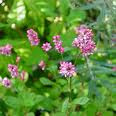 ai 藍 Chinese indigo plant
Polygonum tinctorium Lour.
Polygonum tinctorum
tadeai タデアイ
dyer's knotweed
This plant belongs to the family of buckwheat. Its leaves are used to produce the blue Indigo dye.
It was already used in China during the Western Zhou period (ca. 1045-771 B.C.).
Until the introduction of
Indigofera, this was the most important blue dye in Asia.
It was introduced to Japan in the 4th and 5th century.
Indigofera
is a large genus of about 700 species of flowering plants belonging to the family Fabaceae. Originally from Pakistan, they have now been transported to much of the tropical and subtropical regions of the world, with a few species, also the temperate zone of eastern Asia.
Several of them and especially
Indigofera tinctoria and
Indigofera suffruticosa are used to produce the dye indigo.
The chemical
aniline, from which many important dyes are derived, was first synthesized from I. suffruticosa (syn. I. anil, whence the name aniline).
© More in the WIKIPEDIA !
Before the use of tade ai around the 6th centure, the more wild form of
yama ai 山藍 やまあい "Mountain Indigo" was used in Japan.
Mercurialis leiocarpa
Its roots or leaves were crushed and the liquid used for dyeing.
aizuri no koromo 藍摺衣 robes dyed with mountain indigo
. . . CLICK here for Photos !
akamo no suso 赤裳(あかも)の裾(すそ) hem of the traditional red robes
Yama-ai robes were a kind of blue, called SEI 青.
At this time, the difference between green and blue was not yet made.
Reference
:::::::::::::::::::::::::::::::::::::::::::::::::::::::::::::::::::::::::::::::::::::::::::::::::::
kigo for early spring
ai maku 藍蒔く (あいまく) sowing indigo plants
ai uu 藍植う(あいうう)planting indigo
kigo for all spring
tade no me 蓼の芽 (たでのめ) indigo buds
..... metade, me tade 芽蓼(めたで)
:::::::::::::::::::::::::::::::::::::::::::::::::::::::::::::::::::::::::::::::::::::::::::::::::::
kigo for all summer
ai yukata 藍浴衣(あいゆかた)indigo yukata
light cotton robes, yukata 浴衣 ゆかた
- - - - - - - - kigo for late summer
ai karu 藍刈る (あいかる) harvesting indigo
first harvest of indigo, ichiban ai 一番藍(いちばんあい)
second harvest of indigo, niban ia 二番藍(にばんあい)
aidama 藍玉(あいだま
)"indigo ball"
. . . CLICK here for Photos !
aitsuki 藍搗(あいつき)pounding indigo
shed for pounding indigo miniature
. Folk Toys from Tokushima .
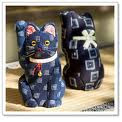 yama ai
 山藍(やまあい)
mountain indigo
Ryuukyuu ai 琉球藍(りゅうきゅうあい)
indigo from Okinawa
. . . CLICK here for Photos !
Indo ai インド藍(いんどあい)Indigo from India
Numbers used in Kigo
iwatade, iwa tade 岩蓼 (いわたで)
"rock Tade"
..... ontade おんたで
..... koiwa tade 小岩蓼(こいわたで)
Polygonum weyrichii
Aconogonon weyrichii オンタデ(御蓼) ontade
:::::::::::::::::::::::::::::::::::::::::::::::::::::::::::::::::::::::::::::::::::::::::::::::::::
kigo for mid-autumn
 ai no hana 藍の花 (あいのはな) indigo flowers
..... tadeai no hana 蓼藍の花(たであいのはな)(tade-ai)
.................................................................................
kigo for all autumn
kara-ai no hana 韓藍の花(からあいのはな)
cockscomb flowers
(lit. Indigo plant from Korea)
. . . CLICK here for Photos !
*****************************
Worldwide use
Oklahoma
Cream Wild Indigo, Baptisia bracteata
Blue Wild Indigo, Baptisia australis
Indigo Bush, Amorpha fruticosa
White Wild Indigo, Baptisia alba
. Oklahoma Saijiki
*****************************
Things found on the way
 aizome 藍染 dyeing with indigo
Indigo Ai
aizome 藍染 dyeing with indigo
Indigo Ai had been very popular for deep -blue coloring. It can produce amazingly deep indigo blue even though the very material are green leaves.
Aizome is one of the oldest dyeing techniques in Japan and it also has medical effect such as detoxification. Therefore, Aizome cotton was so popular among the ordinary people and they made many types of designing techniques such as Tsutsugaki, Katazome, and
Shibori more and more popular.
Their simple beauty is strong and lively compared with luxurious silk and elaborate dye that upper-classed people were fond of.
The basic raw material is the leaf of the
Polygonum Tinctorium. The Japanese process differs from that in other parts of the world in that the leaves are fermented to extract the indigo compound.
The plant grows well in the southern part of Japan; nowadays only four main providers manage to maintain their business. Kosoen - located in the western part of Tokyo - directly orders
sukumo すくも (fermented Polygonum leaves) from the Tokushima area of Shikoku (one of the 4 main islands of Japan).
Using sukumo - composted leaves - doesn't provide any shortcut to the rest of the dyeing process. Compared with other Indigo dyeing methods, the Japanese way requires more sensitive care throughout the process because they have to keep the bacteria alive through the entire dyeing session!
source : www.kosoen.com
.......................................................................
- quote from Tokushima -
Indigo Dye
 Awa Indigo 阿波藍
 is a well-known indigo dye produced in the Tokushima region. The indigo is derived from the Polygonaceae plant that is cultivated in the Yoshino river basin. This plant was first cultivated during the Kamakura Era in the Mima-gun region of Tokushima, later shifting to the Oe-gun region. By the Edo Era, the lower river basin of the Yoshino River had become an important centre for indigo production, and with the patronage and protection of the local government, Tokushima became the nation's largest centre for indigo production.
The main ingredient for indigo dying in Tokushima is Awa indigo dye. Its colour emerges during the fermentation process. In this process, finely chopped leaves are fermented to create sukumo, and lye is then added to make the liquid dye. This solution is created in the dyeing house. Cloth is then dipped into this solution and exposed to the air, the colour emerging as a result of oxidisation. This dipping procedure is repeated many times to further deepen the colour.
In 1968, the Awa Indigo dyeing methods were designated as one of Tokushima's intangible cultural assets. This method of dyeing is used in the production of clothes and interior furnishings.
- source : pref.tokushima.jp/english -
.......................................................................
aizome leather purse with Daruma box

.................................................................................
Daruma Coaster of blue indigo cotton material

:::::::::::::::::::::::::::::::::::::::::::::::::::::::::::::::::::::::::::::::::::::::::::::::::::::
E132 Indigo carmine, Indigotine
FD&C Blue 2 (food colouring)
. Food Colors and E-Numbers (European Union)
.................................................................................
fukaai, fuka-ai 深藍 dark indigo
almost black,
ai-iro 藍色あいいろ #165e83
koi-ai 濃藍こいあい #0f2350
. Japanese Color Codes
:::::::::::::::::::::::::::::::::::::::::::::::::::::::::::::::::::::::::::::::::::::::::::::::::::::
Baptisia australis, commonly known as
Blue Wild Indigo or
Blue False Indigo, is a herbaceous perennial in the pea family. It is native to much of the central and eastern North America and is particularly common in the Midwest, but it has also been introduced well beyond its natural range.
It is well known in gardens due to its attractive pea-like, deep blue flowers that emerge on spikes in the late spring and early summer.
Additional common names of this plant exist, such as
Indigo Weed, Rattleweed, Rattlebush and Horse Fly Weed.
The common name "blue false indigo" is derived from it being used as a substitute for the superior dye producing plant, namely Indigofera tinctoria.
© More in the WIKIPEDIA !
:::::::::::::::::::::::::::::::::::::::::::::::::::::::::::::::::::::::::::::::::::::::::::::::::::::
- quote -
Kurikoma Shoaizome 栗駒正藍染
1.
Produced in Kurikoma City, Miyagi Prefecture.
2. Characteristics: Hemp cloth dyed with indigo which is fermented at a normal temperature in early summer. The method is called "Hiyashi Zome" (cold dyeing ) and the simplest way to dye as additional heating is not applied. In "Shoai Zome ", all the stages of labor of hemp planting, indigo sowing, spinning, weaving and dyeing are all processed independently without relying on others for any part of it.
3. History: The "Hiyashi Zome" technique is said to be originated in the Nara Period. The Federal Government of the Date Family encouraged the planting of indigo in the Edo Period. As the farmers were forbidden to wear silk garments and the climate was not good for cotton planting, they planted hemp. Hemp weaving and indigo dyeing were exclusively engaged by women and the technique was handed down through generations. In 1955, Ayano Chiba was designated as the holder of the "Important Intangible Cultural Property".
Dyeing Method
1. Hemp seeds are sown in April and it harvests in late July or early August. Spinning and weaving are done in winter.
2. Indigo
Seeds are sown in rice nursery in the middle of April. When ripened, the indigo is reaped in early July and in August. The leaves of indigo are taken off from the stems just after they are reaped and they are dried in the sun. The dried leaves are scrubbed with the hands. After this process is repeated 2 or 3 times, they are put into straw bags for keeping. In Feburuary the indigo leaves are cleaned with water and piled up on the "Aidoko" (indigo bed)of straw mat which is put over rice chaff and rice straw. A straw mat and rice straw are put over the indigo leaves. They get fermented and heated in 3 or 4 days. They are watered and put upside down every 1 or 2 weeks. The process is repeated until the leaves have no more heat. Then they are left untouched until April. In April, the indigo leaves are taken out of the bed and put in a mortar to be beaten. The beaten indigo leaves are made into balls 10 centimeter in diameter called "Aidama" and are dried.After drying, the balls are broken into lumps with the size of chestnuts and stored . The indigo lump and burnt charcoal ash are put together in a wood tub in water 35 degrees centigrade. Water is added every day for a week. When foam is formed in the tub after a week, all of it is blended until the color of the foam becomes dark purple. This is how the "Aijiru" is processed and it is called "Aidate"(indigo dye making).
3. Dyeing
Hemp cloths are boiled and then bleached in water. Then the process is repeated 3 times- soaking the cloths in the "Aijiru"(indigo dye) for half an hour and then drying them to get the color. The dyed cloths are cleaned in water and treated with soy-bean juice "Gojiru" and dried in the shade.
- source : kimono.or.jp/dictionary -
*****************************
HAIKU
Bodhidharma (Daruma) hand made watches
'Indigo' ladies

Old town revolves around wallet, leather items, using material mind-bending to Japanese traditions and culture based in Kyoto brand "Dharma" (Dharma). Kyoto Yuzen hand-painted jeans "Zen" (ZEN) Of the brother brand too.

In the
Dharma logo does not dare put the right eye. Shall be first 'completed' when you came out the facial expressions of your own, this caster is favoured by manufacturing desire aim although are trapped.
-Hand-made watches 'Indigo' Womens, realized by the collaboration of Araki Hidekazu said and watch artists engaged in hand-made watch brand "ARKRAFT"Bodhidharma (daruma) hand made watches 'Indigo'The women's model. Araki's constant awareness to better fuse can watch history made up of traditional design and created by hand by chance and warm, making them carefully with the warmth and the sense of its own, I feel. Is Japanese clocks can enjoy elegant atmosphere, so according to the TPO.
source : craftcafe rakuten
even Daruma
all clad in blue -
Indigo surprizes
Gabi Greve, October 2015
*****************************
Related words
kigo for early autumn
aka no manma 赤のまんま "red as it is"
...... aka no mama 赤のまま
red knotweed/smartweed/jointweed
inutade, inu tade 犬蓼 (いぬたで) "dog smartweed"
hanatade, hana tade 花蓼(はなたで)
Polygonum longisetum
tade no hana 蓼の花 (たでのはな)
flowers of the red knotweed /smartweed /jointweed
hotade 穂蓼(ほたで)ears of knotweed
tade momiji 蓼紅葉(たでもみじ) red leaves of knotweed
 source : kokubunji fugetsu-an
. Yosa Buson 与謝蕪村 in Edo .
三径の十歩に尽きて蓼の花
source : kokubunji fugetsu-an
. Yosa Buson 与謝蕪村 in Edo .
三径の十歩に尽きて蓼の花
sankei no jippo ni tsukite tade no hana
with ten steps
the three garden paths are done -
smartweed flowers.
"In an utterly neglected garden there are three paths, each is only a ten-step walk ending with
tade blooming in the weeds.
The three paths are a
path of pine trees, a
path of chrysanthemums and a
path of willows."
Sasaki Sanmi
Buson makes a reference to a poem by his favorite Chinese poet
. Tao Yuanming 陶淵明 .
Weeds are all over the garden paths
Pine and chrysanthemum are unscathed.
. . . .
ooketade 大毛蓼 (おおけたで)
Polygonum orientale
..... benikusa 紅草(べにくさ) "red plant"
kiss me over the garden gate
. . . CLICK here for Photos !
.................................................................................
kigo for all summer
tade 蓼 (たで) smartweed, water pepper
Persicaria hydropiper. Bitterling
yanagitade 柳蓼(やなぎたで)
hontade 本蓼(ほんたで)"real smartweed"
..... matade 真蓼(またで)
tade tsumu 蓼摘む(たでつむ)picking smartweed
tade uri 蓼売(たでうり)selling smartweed
tadesu 蓼酢(たです)
smartweed vinegar
. TADE ... food with water pepper
benitade 紅蓼 / tade たで(蓼) water pepper, smartweed
Polygonum hydropiper
aotade アオタデ
green water pepper
Wasserpfeffer
蓼食う虫も好き好き tade kuu mushi mo suki suki
There is no accounting for tastes.
 . Kobayashi Issa 小林一茶 - Introduction .
蓼くふや火に入虫も好々に
. Kobayashi Issa 小林一茶 - Introduction .
蓼くふや火に入虫も好々に
tade kuu ya hi ni iru mushi mo suki-zuki ni
some eat knotweed
some fly into flames...
a matter of taste
Issa contemplates different insects, different lifestyles: knotweed-eating bugs versus moths. In his original text the word "insect" (mushi) appears, but I think the English version is more effective without this.
Tr. David Lanoue
.................................................................................
kigo for late spring
suiba 酸葉 (すいば)
garden (cock) sorrel, sour dock
..... 酸模(すいば)
sukanbo, sukan bo すかんぽ
suisui すいすい, sushi すし
a kind of
tade.
Flowers from April to July. The stem is about 30 to 80 cm long.
People used to pick it at the roadside and suck its sour juice.
. . . CLICK here for Photos !
gishigishi 羊蹄 (ぎしぎし) Rumex (of the tade and sorrel family)
riku junsai 陸じゅんさい(りくじゅんさい)
Rumex japonicus
:::::::::::::::::::::::::::::::::::::::::::::::::::::::::::::::::::::::::::::::::::::::::::::::::::::
kigo for early autumn
yanonegusa 矢の根草 (やのねぐさ) lit. "arrow head plant"
Polygonum nipponense
A yearly plant that grows in wetlands. The form of the leaves relate to the name.
:::::::::::::::::::::::::::::::::::::::::::::::::::::::::::::::::::::::::::::::::::::::::::::::::::::
. tadejiru, tade-jiru 蓼汁 soup from the water pepper plant .
Polygonum hydropiper. The leaves are squeezed for a pungent hot soup.
and
Kappa, the water goblin
:::::::::::::::::::::::::::::::::::::::::::::::::::::::::::::::::::::::::::::::::::::::::::::::::::::::::::::::::::::::::::
- quote -
Tsutsugaki-aizome 筒描藍染 Tsutsugaki Indigo Blue Dyeing
The furoshiki (wrapping cloths) made in the
Izumo, Matsue and Yonago areas of Shimane Prefecture are designated as traditional hometown handicraft.

Before the Meiji period, there were aizome indigo dyers across the nation, however, around 1917 (Meiji 40), chemical dyeing had become popular. By 1950, of the 59 tsutsugaki aizome dyers in Izumo, only 4 remained. Today, only one tsutsugaki aizome dyer remains in Nagata, which is recognized by the prefecture as an intangible cultural asset.
Tsutsugaki aizome with a family crest were used as trousseau items up untilthe Taisho period. Furoshiki wrapping cloths were also included in trousseaus.
Making the tsutsugaki aizome requires repetition in dyeing. During the dyeing process, the patterns on the aizome are protected by paste, which is later washed off in the Takase River.
- source : nippon-kichi.jp -
:::::::::::::::::::::::::::::::::::::::::::::::::::::::::::::::::::::::::::::::::::::::::::::::::::::::::::::::::::::::::::
. Edo shokunin 江戸職人 craftsmen, artisan, Handwerker .
 初染めや藍職人の爪の藍
hatsuzome ya ai-shokunin no tsume no ai
first dyeing -
the blue nails
of an indigo dyer
Kondoo Yooko 近藤陽子 Kondo Yoko
 konya 紺屋 artisan making "blue" things, cloth dyers
- aizomeya 藍染め屋 dyeing with indigo
aizome shokunin 染物職人 / konzome 紺染
Indigo-Färber
In Edo they were often called
kooya 紺屋(こうや)
Koya.

The dyers needed large
aigame 藍甕 pots for the liquid. Usually four pots in the ground were one unit, the temperature kept by a hibachi 火鉢 "fire pot" in the middle.
Sometimes they dyes just the threads for weaving, sometimes they dyed the finished pieces of cloth.

After dyeing the bundles of thread were opened and dried,
cloth was fixed with
shinshi しんし / 伸子 bamboo poles to spread and dry.
...................................

by 一ノ瀬芳翠
konya no asatte 紺屋の明後日 "the day after tomorrow of an indigo dyer".
Because they were habitually delaying and could often not keep their promises.
jam tomorrow and never jam today
Das Übermorgen des Färbers.
Die Färber stehen ganz besonders im Rufe der Unpünktichkeit.
.......................................................................
 Kanda konyachoo, Konyachō 神田紺屋町 Konya-Cho
Konyamachi, district for cloth dyers
- quote -
Kon'ya-cho
This was a town ruled by the dyer 土屋五郎右衛門
Tsuchiya Goroemon who was allowed by Tokugawa Ieyasu to purchase Japanese indigo plants from the Kanto Region and Izu from the Keicho Era (1596-1615), where many indigo dyers lived together.
The river (channel) that flowed nearby was called the
Aizome-gawa River 藍染川 (indigo dyed river). The ruins of the small shrine called
Otama Inari お玉稲荷 and the ruins of the
Otamagaike お玉ヶ池 reservoir are located in the north of the town and it is associated with the following legend.
During the middle ages, this area was along the highway to Oshu, and there was a beautiful woman named Tama who served tea to travelers near the reservoir. 2 men proposed marriage to Tama, however she could not decide between them and drowned herself in the reservoir. It is said the village people dedicated the small shrine to Tama's spirit.
- source : National Diet Library -
Tsuchiya Goroemon extended the trade from one district to three more in the North, South and West, 北紺屋町, 南紺屋町, 西紺屋町.
When Tsuchiya got an order from a Bakufu government official, he would pass the un-dyed cloth to a craftsman in Konya-Cho. After the dyeing was done, the craftsman brings it back to Tsuchiya, who then forwards it to the government official.
Since all the cloth was washed in a river North of the district, this river was often colored and thus named "Indigo-dyed River" 藍染川.
The print of Hiroshige shows the dyed cloth hanging down to dry from the high eaves of special buildings for this purpose.
 . 歌川広重 Utagawa Hiroshige .
.......................................................................
初雷やはたと風なき紺屋町
hatsurai ya hatato kaze naki konyachoo
first thunder -
the wind suddenly stopped
in Konya-Cho
安斎桜[カイ]子 / 安斎桜磈子 Anzai Okaishi (1886 - 1953)
- - - - -
紺屋町藍の匂ひの溝浚ふ
konyashoo ai no nioi no mizo sarau
at Konya-Cho
cleaning the ditches
smelling of indigo
下里美恵子 Shimosato Mieko
- - - - -
撒水車去りしんかんと紺屋町
正木ゆう子
紺屋町八十八夜の水流す
朝倉和江
shiborizomeshi, shibori some shi 絞染師
craftsman dyeing with Shibori technique
- quote -
..... The Shibori technique is time consuming but it builds up great expectations. There are endless ways to achieve successful tied dyed pieces so there is room for years of exploration.

Usually the technique applied is determined by the type of fabric used, ... the natural indigo dyes better in plant based fibers and the best results are obtained with linen.
- source : tetsukuri.wordpress.com -
- quote -
shiborizome 絞染 Tie dye
A name for a resist-dyeing technique and the fabric made by it.
Shibori 絞 designates a huge variety of resist techniques that include folding, stitching
nuishimeshibori 縫締絞, binding
kanokoshibori 鹿の子絞, and sheathing, and can be used alone or in combination.
After the bindings are removed, the fabric, which has been partially protected by one of these methods when the cloth is in the dye vat, has hazy patterns that may be radial
rasen 螺旋, squarish
hitta 匹田, wood grained
mokume 杢目, or spider webbed
kumo 蜘蛛.
Shiborizome may be combined with such techniques as
yuuzenzome 友禅染 or embroidery. Textiles dyed by bound resist *koukechi 纐纈, wax resist roukechi 臈纈, and carved block resist kyoukechi 夾纈 were all imported from China,
In the Heian period, shibori was used for banners and Buddhist ceremonial canopies. It was not until the Edo period that special techniques developed in Kyoto, Narumi 鳴海, Arimatsu 有松 (near present-day Nagoya 名古屋, Aichi prefecture) and other centers of shibori production.

Kanoko shibori, especially the large, squarish variant called
hitta shibori 匹田絞 was one of the most popular textile designs in the Edo period.
- source : JAANUS -
- reference : shiborizome -
.......................................................................
Arimatsu shibori 有松絞り tie-dying from Arimatsu
愛知 Aichi

In 1608, Arimatsu succeeded 桶狭間 Okehazama Village, of historical interest for the Battle of Okehazama, and became the main production area of Shibori tie-dyeing.
- quote -
- - - - - Arimatsu Tie Dyeing
The technique of tie-dye – a process of creating patterns on fabrics by tying them in a variety of ways to prevent the coloring of the tied parts – actually can be found in a number of countries, yet “Arimatsu Shibori” of Aichi Prefecture is a traditional and folksy style of tie-dye which uses simple colors such as deep blue on fabrics like cotton.
The patterns are first “drawn” by making holes in a paper template. Then the paper, which now has countless holes, is placed on a fabric, and a water-erasable dye made from the juice of an Asiatic Dayflower is applied so that it only gets through the parts where the holes are made. Its initial draft set, the fabric is now ready to be tie-dyed, and the ones with the most complicated design are sometimes handled by 4 to 5 shibori artisans. Each applies their own execution of shibori by tying the fabric minutely, with more than 10 major techniques in their repertoire. The tools and time required to complete the work vary as well.
After the shibori is done comes the most complicated step of the process. It is called itonuki, the task of unbinding the string. This requires the expertise of a skillful artisan, who is to pluck the cloth to unbind the countless shibori – the string makes a snapping sound while this happens. A little damage to the cloth would wreck everything that has been done in the process. If shibori is applied to a whole set of kimono, it might take a few days to get its itonuki done.
Because it takes so much time and effort, there were times when the technique of drawing patterns with brushes such as yuzen came to prosper more, yet Arimatsu shibori developed itself with the support of the Owari Domain, turning into one of the biggest fields of production after the 17th century. With its handmade warmth, Arimatsu shibori is used not only for kimono, but in many other products such as handkerchiefs, paper fans, lap robes, ties, scarves, clothing, aprons, table clothes, table center clothes and store curtains, giving us a sense of excitement in the everyday moments of our life.
- source : japan-brand.jnto.go.jp/crafts -
Arimatsu Tie-Dyeing Museum
有松絞りの歴史や資料 - 有松絞商工協同組合
- reference -
:::::::::::::::::::::::::::::::::::::::::::::::::::::::::::::::::::::::::::::::::::::::::::::::::::::::::::::::::::::::::::
. Legends and Tales from Japan 伝説 - Introduction .
- - - - - Two legends about Konya-Cho,
involving a tanuki 狸 badger.
. "O-Tanuki Sama" おたぬき様 .
oyako tanuki 親子狸
parent and child badger
 source : tokyochiyoda.blog.shinobi
柳森神社 Yanagimori Jinja
.......................................................................
兵庫県 Hyogo, 洲本市
Sumoto
The 蜂須賀 Hachisuka clan lived for many generations in Sumoto,
The daughter of one of it's retainers who lived in Konya-Cho 洲本町の紺屋町 fell ill and died. The family was very upset but one evening, when the parents were sitting at the veranda they suddenly saw the daughter dancing in the garden, waving a red hand towel.
The mother was overjoyed, but the father knew this must be a ghost-monster, and shot it with his bow and arrow.
When he hit the figure, it suddenly became invisible, but there was a trace of blood, leading to a hole. Inside was a huge bleeding dead Tanuki.
The eldest son of the family was very upset about this event, became a heavy drinker and lost all his senses.
- - - - - Two legends about a
konya (kooya) 紺屋(こうや) indigo cloth dyer
.......................................................................
岡山県 Okayama, 大原町
Ohara
yamabushi 山伏 mountain priest
In the early Edo period there lived an indigo cloth dyer 紺屋 in Midoro 美土路.
Once the cloth dyer wanted to visit his family and on his way, near Hanaoka, he met a strange mountain priest. He soon realized that this was not an ordinary priest and invited him to his home. When the priest left, the wife of the cloth dyer went to the well to get some water, where she suddenly heard the sound of large wings.
The Yamabushi had left, leaving back three volumes of books for the artisan. After that, the craft of the indigo dyer improved even more
. Legends about Japanese Saints - yamabushi .
......................................................................
兵庫県 Hyogo 加西郡
Kasai
neko no tani 猫の谷 valley of cats
This valley is haunted and people here the calls of cats all the time. Once an express message carrier 飛脚 hit this monster with a metal pot on his head and wounded it with his sword.
It cried out "Go call the old hag at the indigo cloth dyer 紺屋".
紺屋の婆さんを呼んで来い.
So the messenger went to the Konya and wanted to meet the old woman, but she was ill in bed with a wound on her head. The messenger thought that the cat had eaten the old woman and then taken her form, so he exterminated her to bring peace to the valley.
......................................................................
愛知県 Aichi 南知多町
Minami Chita
arakuma no ookami 荒熊の大神 The Deity Arakuma
Once the dyer 大西 Onishi tried many times to make some 藍染 indigo dye but just did not hit it right. So he prayed to the deity 荒熊大神 for help. And indeed, the deity let him know how to prepare just the right indigo color. He could now make wonderful Yukata cloth and his reputation grew far and wide.
Arakuma Shrine in Chita 荒熊神社
- source : japannavi.co.jp/chita-
. Arakuma Jinja 荒熊神社 and Kobo Daishi .
......................................................................
- source : nichibun yokai database -
:::::::::::::::::::::::::::::::::::::::::::::::::::::::::::::::::::::::::::::::::::::::::::::::::::::::::::::::::::::::::::
[ . BACK to DARUMA MUSEUM TOP . ]
[ . BACK to WORLDKIGO . TOP . ]
- #shiborizome #dyeing -
:::::::::::::::::::::::::::::::::::::::::::::::::::::::::::::::::::::::::::::::::::::::::::::::::::::::::::::::::::::::::::





 Posts
Posts