:::::::::::::::::::::::::::::::::::::::::::::::::::::::::::::::::::::::::::::::::::::::::::::::::::::
Daruma Memorial Day
(Daruma-ki, Darumaki, 達磨忌)
***** Location: Japan
***** Season: Early Winter
***** Category: Humanity
*****************************
Explanation
Fifth day of the tenth lunar month.
(Now November.)
October the fifth is the anniversary of the death of Bodhidharma, the famous Indian monk and founder of Zen (Chan in Chinese) Buddhism. Heir to the teachings of Shakyamuni, he traveled to distant China, where he spreaded the Buddhist spirit through seated meditation, or zazen. Today, when mental magnanimity is greatly in demand, interest in zazen is rising. Bodhidharma physically demonstrated the quintessence of Zen, and his teachings preserve their vigor even now 1,450 years after his death. On the anniversary of his death, we pay reverence to him and conduct ceremonies, like the Daruma-ki, to repay our debt to him.
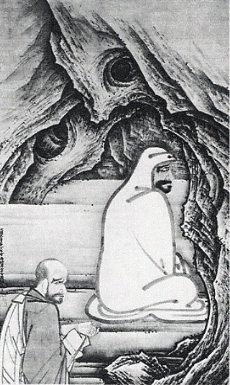
As Bodhidharma sits in silent meditation, Huike, whose earnest entreaty to be allowed to study under the first Zen patriarch has been refused, demonstrates his firm resolve by cutting off his own arm. Finally he is permitted to become a disciple. After strict training, he succeeds to Bodhidharma's dharma and becomes the second patriarch.
Bodhidharma, the 28th patriarch after Shakyamuni, is famous for having transmitted the true dharma from India to China. Born the third son of a king in southern India at Conjeeveram, near Madras, he was first named Bodhipatra.In order to study under the venerable Prajnapatra, he gave up secular life for the religious quest. Discerning his extraordinary grasp of the dharma, Prajnapatra instructed him to change his name to Bodhidharma.
Succeeding to the true dharma from his teacher, to expand it still further, Bodhidharma traveled to China. Although the date is disputed, apparently he made the journey in about 470. He is said to have been 120 years old at the time. Today traveling overseas is taken for granted. But in those days it was a mortally dangerous undertaking requiring tremendous cool courage.
After a very hard sea passage, he finally landed at Guangzhou (Canton) and was invited to have an interview with the emperor Wu of Liang. Unable to understand the true meaning of Bodhidharma's words, the emperor sent him away. From Liang he traveled to the temple Xiaolin-si on Mount Xiaoshishan, one of the 36 peaks of the Songshan mountains, where for nine years he sat in meditation facing a wall.
It was during this period that he met his outstanding disciple Shenguang Huike, who was to become the 29th patriarch. Bodhidharma departed this life on October 5, 532, reportedly at the age of 150.
There are quite a few KIGO involving Daruma san,
see below.
Daruma ki 達磨忌 (だるまき) Daruma memorial day
Shoorin ki 少林忌(しょうりんき)Shorin memorial day
shosoki 初祖忌(しょそき) memorial day of the first patriarch (of Zen)
:::::::::::::::::::::::::::::::::::::::::::::::::::::::::::::::::::::::::::::::::::::::::::::::::::::

There is a lot of information about Daruma san, as he is fondly called in Japan, on the internet.
Gabi Greve even has a Daruma Museum full with Daruma artefacts. The Museum is located in Okayama prefecture, Japan.
As a symbol of good luck and fortune, Daruma is very much part of daily life in Japan, especially during the New Year season.
Part of it is online, look at the essays here:
The Daruma Museum, Japan
Study about the Blue Eyes of Daruma
:::::::::::::::::::::::::::::::::::::::::::::::::::::::::::::::::::::::::::::::::::::::::::::::::::::
Japanese culture is almost unthinkable without the influence of Zen Buddhism and thus, Daruma san.
" For centuries Zen masters have said that Daruma is Zen.
Perhaps it would now be appropriate to say that Daruma is Japan.
In neither case is the definition fully explicable or applicable. Each is essentially a KOAN whose solution is acessible only to experience, not to rational analysis.
This is to assert finally that Daruma is one key to an authentic and rewarding experience of Japan and the Japanese people."

Introduction to the Daruma Museum
. Who is Daruma ?
:::::::::::::::::::::::::::::::::::::::::::::::::::::::::::::::::::::::::::::::::::::::::::::::::::::
:::::::::::::::::::::::::::::::::::::::::::::::::::::::::::::::::::::::::::::::::::::::::::::::::::::
KIGO with Daruma
Daruma Flower (Darumasoo, Zazen Flower: Zazensoo)
Daruma market (Daruma ichi)
Daruma Mikan (Citrus sulcata)
Gookaku Daruma <> 合格だるま
Examination Passing Helper Daruma
Snowman (yuki Daruma) (yuki-botoke)
Zazen ... and Daruma san.
*****************************
Worldwide use
*****************************
Things found on the way
. Zen no Tomo Magazine 禅の友 october 2009
Daruma-ki 達磨忌 special
*****************************
HAIKU
達磨忌や戸棚探れば海鼠哉
Daruma Day
reaching into the cupboard
a sea slug!
Masaoka Shiki 子規1892
(from 拙著 Rise, Ye Sea Slugs!, Robin D. Gill)
More haiku by Shiki
達磨忌や戸棚探れは生海鼠哉
達磨忌や混沌として時雨不二
達磨忌は去年のけふの心哉
達磨忌やけふ煙草屋の店開き
達磨忌や更けて熟柿の落つる音
達磨忌や赤きもの皆吹落
達磨忌や枳穀寺に提唱す
source : webmtabi.jp
:::::::::::::::::::::::::::::::::::::::::::::::::::::::::::::::::::::::::::::::::::::::::::::::::::::
Bodhi Dharma moves
into Mahaa Shoonya ~
mosquito vanishes
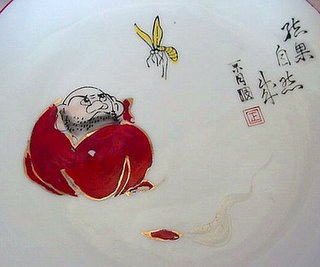
Mahaa Shoonya ~ The Great Void
Vishnu Narayanan
More about Daruma and the Mosquitoes
:::::::::::::::::::::::::::::::::::::::::::::::::::::::::::::::::::::::::::::::::::::::::::::::::::::
達磨忌や 上毛三山霧こめむ
本田 日出登
赤城山、榛名山、妙義山の3つの山を上毛三山といいます。
Daruma Memorial Day !
The three sacred mountains of Kamitsuke
all in mist
http://www1.odn.ne.jp/~ccw84010/hideto/gunnma1312.htm
:::::::::::::::::::::::::::::::::::::::::::::::::::::::::::::::::::::::::::::::::::::::::::::::::::::
達磨忌や履ふみきりし箱根山
達磨忌の口とりは昆布に山椒かな
Daruma Memorial Day !
Today I eat seaweed
and mountain peppers
達磨忌や寒うなりたる膝がしら
Daruma Memorial Day !
It feels so cold,
at least my knees...
加舎白雄 かや・しらを(1738-1791)
http://www.geocities.jp/haikunomori/chuko/shirao.html
:::::::::::::::::::::::::::::::::::::::::::::::::::::::::::::::::::::::::::::::::::::::::::::::::::::
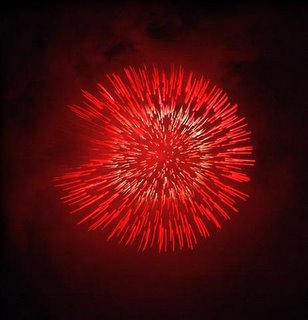
Daruma Memorial Day -
high in the sky
a firework dances
Click on the Firework to read more Daruma Haiku by Gabi Greve
......................................................................................
sitting in Silence
Daruma meditating
in Japanese

Gabi Greve has a Forum dedicated to Daruma and Haiku.
Haiku about Daruma San
Discussion Forum for Daruma San
:::::::::::::::::::::::::::::::::::::::::::::::::::::::::::::::::::::::::::::::::::::::::::::::::::::
達磨忌や無き物さがす箱戸棚
Darumaki ya nakimono sagasu hako todana
Toogan 桃丸 (1790)
Daruma Day!
a search in the cupboard
for something missing
Translation CHIBI, 2009
daruma day
groping for something not
in the closet
daruma day
it turns out
i searched the cupboard
for nothing
daruma day
how i search
the shelves for something
no longer there
daruma day
searching in the cupboard
i don't find
something
source : Robin D. Gill
:::::::::::::::::::::::::::::::::::::::::::::::::::::::::::::::::::::::::::::::::::::::::::::::::::::
zenrin ni ishi no koe kiki Daruma ki
Moriwaki Teiko
Daruma Museum
Zenringai Temple Area in Hirosaki
*****************************
Related words
***** Ryokan Memorial Day
:::::::::::::::::::::::::::::::::::::::::::::::::::::::::::::::::::::::::::::::::::::::::::::::::::::
. Saijiki
Memorial Days of Famous People
:::::::::::::::::::::::::::::::::::::::::::::::::::::::::::::::::::::::::::::::::::::::::::::::::::::
[ . BACK to DARUMA MUSEUM TOP . ]
[ . BACK to WORLDKIGO . TOP . ]
:::::::::::::::::::::::::::::::::::::::::::::::::::::::::::::::::::::::::::::::::::::::::::::::::::::


 Posts
Posts



5 comments:
on Dharma's Death Day
spouting gibberish...
a plover
—Issa
http://www.poetrylives.com/SimplyHaiku/SHv3n2/haiga_Traditional/Daruma/
translation by David Lanoue
::::::::::::::::::::::::::::::::::::::::::::::::::::::::::::::::::::::
かかりたる墨絵達磨の忌日かな 徳本映水
冬籠その一日の達磨の忌 森澄雄
大津絵に達磨の眼ありその忌なり 大橋敦子
拭き込まれ達磨忌を待つ七つ竃 桑原志朗
晩学にして不退転達磨の忌 吉井莫生
独居て独修しぬ達磨の忌 島田五空
百歳も生きて何する達磨の忌 松田都青
真夜中の風が風呼び達磨の忌 鍵和田[ゆう]子 飛鳥
禅林に石の声聞き達磨の忌 森脇貞子
筆太に描きたる円や達磨の忌 磯貝碧蹄館
草々の筆の達磨も忌日かな 菅原師竹
達磨忌の口とりは昆布に山椒かな 加舎白雄
達磨忌の坐り直すもただ寒し 岸風三樓
達磨忌の庭を茶会の人往き来 吉田 伝治
達磨忌の日の警策を受けてをり 開田華羽
達磨忌の旭たふとや赤東堂 許 六
達磨忌の曉の鐘鳴る建仁寺 伊達外秋
達磨忌の木杓子おもきとろろ汁 安田晃子
達磨忌の百畳昏くなりにけり 河北斜陽
達磨忌の粥煮る他はしづかなり 葉貫琢良
達磨忌の素足が通る寺の縁 小川匠太郎
達磨忌の肝病む北のガラス透き 大中祥生
達磨忌の達磨寺へと詣でけり 大野雑草子
達磨忌の障子明けたり茶の木原 松瀬青々
達磨忌の隼人瓜なりすわりよし 山岸治子
達磨忌の集ひにまじる女下駄 川端青踏
達磨忌の霜ましろなる大伽藍 和田祥子
達磨忌やしびりくさりて浮世の塵 洞雨 選集「板東太郎」
達磨忌やホ句三昧の隠居僧 寺北茶斗
達磨忌や五山十刹同じ日に 尾崎迷堂 孤輪
達磨忌や今は色なき女郎花 籾山梓月
達磨忌や僧を眺めて俳諧師 川端茅舎
達磨忌や和尚いづちを尻目なる 黒柳召波 春泥句集
達磨忌や壁にむかひし揚豆腐 言水
達磨忌や外道俳諧愚俳諧 小杉余子 余子句選
達磨忌や夜は更るとも更ぬとも 松岡青蘿
達磨忌や宗旨代々不信心 炭 太祇 太祇句選
達磨忌や寒うなりたる膝がしら 加舎白雄
達磨忌や寺を寒がる印度僧 岡野知十
達磨忌や履ふみきりし箱根山 加舎白雄
達磨忌や廓然として納豆汁 会津八一
達磨忌や提唱すみて椎の雨 赤木格堂
達磨忌や新種のカタログ配られる 池戸香月
達磨忌や時雨る宵の油あげ 李 由
達磨忌や朝日に僧の影法師 岩 翁
達磨忌や浮世の塵を琥珀数珠 才 麿
達磨忌や狐も啼くか南禅寺 中村史邦
達磨忌や箒で書し不二の山 一茶
達磨忌や粥吹さます山おろし 素丸
達磨忌や自剃にさくる水鏡 其角
達磨忌や舎利樹緑りに建長寺 尾崎迷堂 孤輪
達磨忌や達磨に似たる顔は誰 夏目漱石 明治二十八年
達磨忌や達磨の顔へ月のさす 野崎紫兮
達磨忌や霜ましろなる大伽藍 和田祥子
達磨忌を修す達磨となり果てて 小坂順子
達磨忌を壁のなごりや蟋蟀 嵐山
塔頭の皆代かはり少林忌 河野静雲
鳥栖みて木をからしけり少林忌 松瀬青々
http://yoshi5.web.infoseek.co.jp/cgi-bin/HAIKUreikuDB/ZOU/BUNKAsyuukyou/490.htm#daruma
達磨忌や狐も啼くか南禅寺
Daruma ki ya kitsune mo naku ka Nanzen-Ji
Daruma Memorial Day -
maybe even a fox is calling
at temple Nanzen-Ji
Nakamura Fumikuni 中村史邦 - 五雨亭
Haiku poet from the Edo period, Aichi, Owari.
Student of Matsuo Basho since 1690, when he met Basho in Kyoto.
MORE about Nanzen-Ji
Kobayashi Issa
達磨忌や箒で書し不二の山
daruma ki ya hooki de kakishi fuji no yama
Dharma's Death-Day--
with a broom I draw
Mount Fuji
Dharma (Bodhidharma) is the patriarch who brought Ch'an (Zen) Buddhism from India to China. His sect became known as Zen Buddhism in Japan. Drawing Mount Fuji with a few swipes of a broom expresses the spontaneity of Zen art. Dharma's death day is celebrated on the fifth day of Tenth Month.
Tr. and comment
David Lanoue
Kobayashi Issa (1814)
達磨忌や傘さしかける梅の花
daruma ki ya kasa sashikakeru ume no hana
Dharma's Death-Day
in umbrella shade...
plum blossoms
Tr. David Lanoue
.
Post a Comment